Find files, editable templates and browser test targets by what you need to make or test. The directory below is cut by format; the two collections under it cut the same library by subject and by workflow.
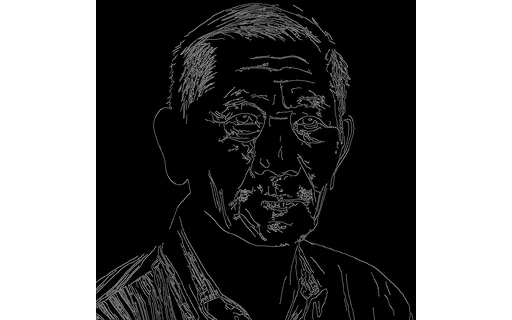
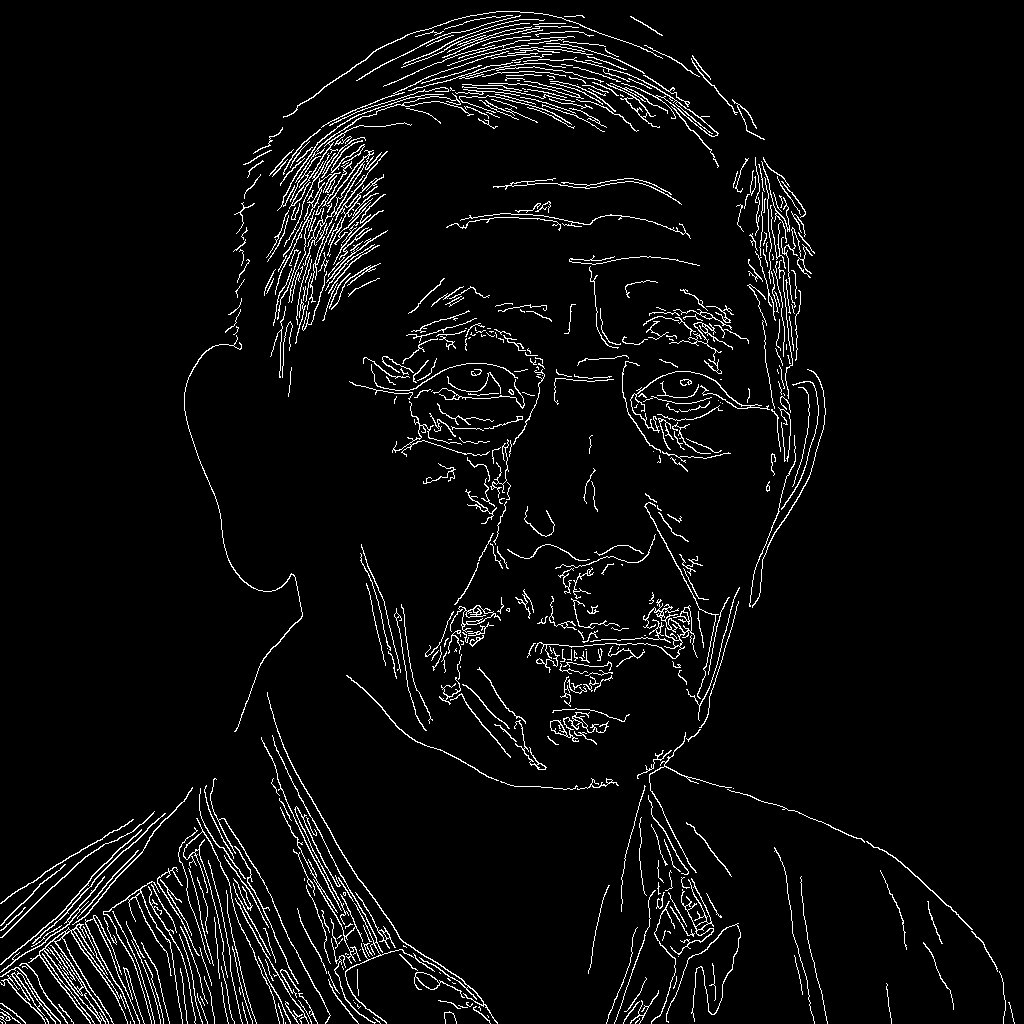
A canny edge map for the published plate a-avatar-m2.png, 1024x1024. Canny edge detection at low threshold 0.1 and high 0.3, run at the plate's own resolution so the edges land on the same pixels as the photograph they came from. Lit coverage measures 4.5% of the frame. The plate and this map are the same scene at the same size, so they can be compared pixel for pixel rather than by eye.
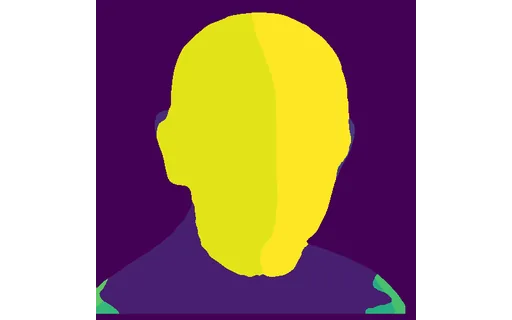
A dense pose map for the published plate a-avatar-m2.png, 512x512. DensePose body-part segmentation, which labels regions of every person it finds rather than returning a skeleton, so background figures are labelled as well as the subject. Lit coverage measures 100.0% of the frame. The plate and this map are the same scene at the same size, so they can be compared pixel for pixel rather than by eye.
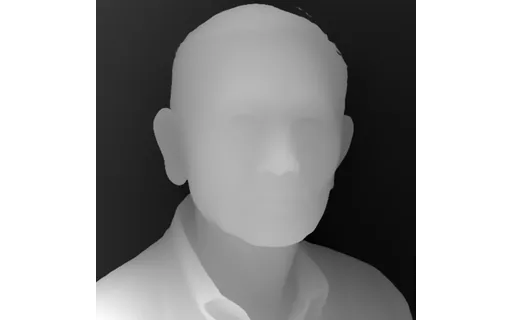
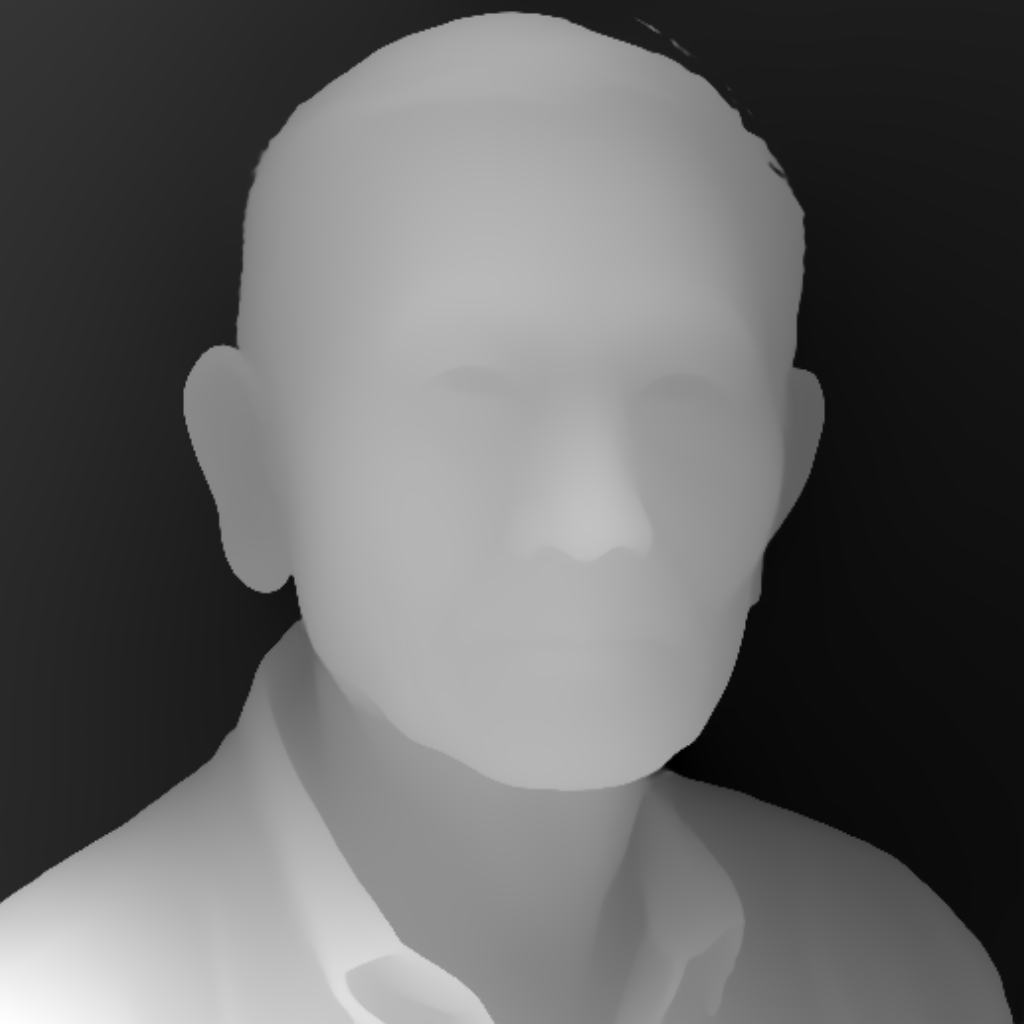
A depth map for the published plate a-avatar-m2.png, 1024x1024. Monocular depth from Depth Anything V2 (vitl), rendered at the plate's long edge rather than the 512-pixel default, so depth and colour can be compared per pixel without a resample in between. Lit coverage measures 99.4% of the frame. The plate and this map are the same scene at the same size, so they can be compared pixel for pixel rather than by eye.
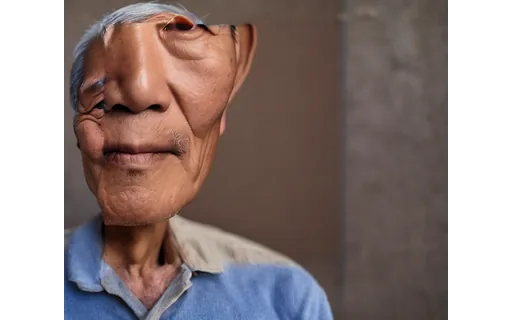
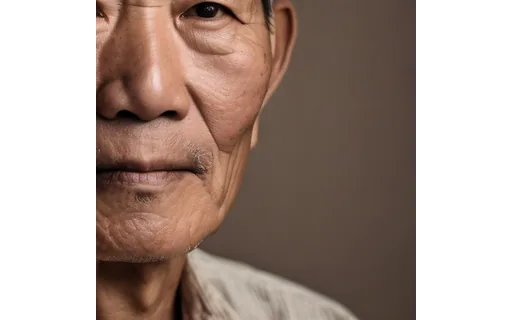
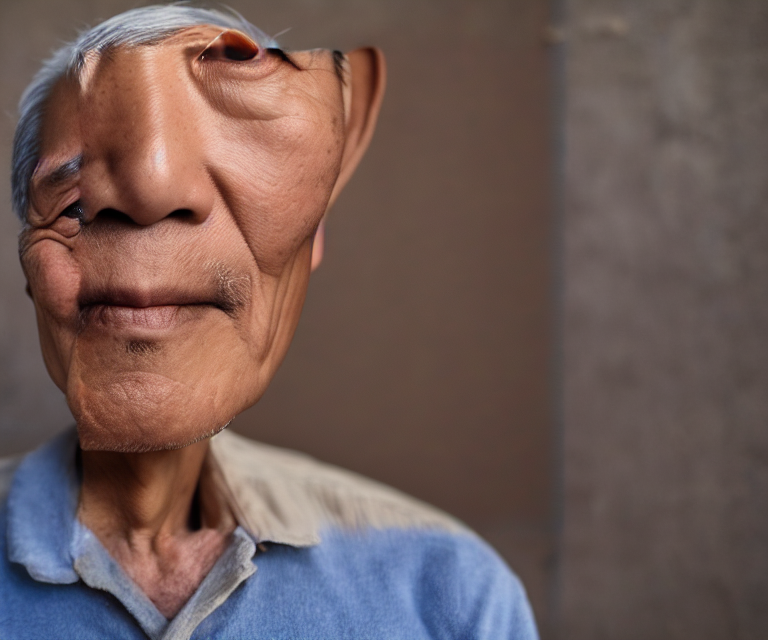
The same view of head and shoulders portrait of an older east asian man against a plain warm studio background, expanded to 768x640 - a different amount on every side, which is the case a tool assuming symmetry fails - so 46.7% of this frame is invented canvas. The original sits at pixels 64,32 to 576,544. Compare it INSET by 40 pixels: over that core it differs from the original by only 5.021/255, the VAE round trip, but over the whole rectangle by 8.184/255, because the pad deliberately feathers the original's outer edge into the new area. A test that expects the whole rectangle untouched fails on a correct tool.
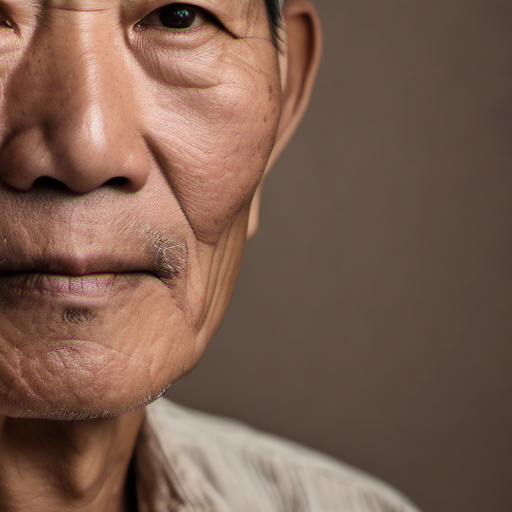
A 512x512 view of head and shoulders portrait of an older east asian man against a plain warm studio background - the frame an outpainting tool is given, cropped from the published plate nss-a-avatar-m2_00001_.png. Its companion expands it to 768x640 with a different amount on every side, which is the case a tool assuming symmetry fails, and the boundary record in this group states the exact rectangle this image occupies inside that frame - so where it ended up can be checked rather than eyeballed.
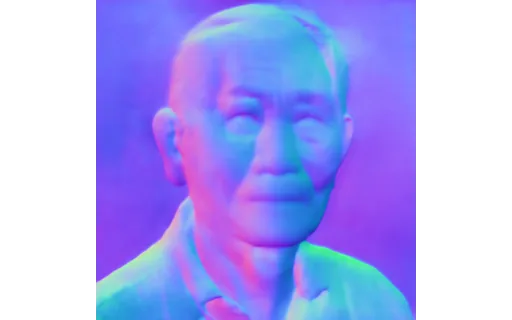
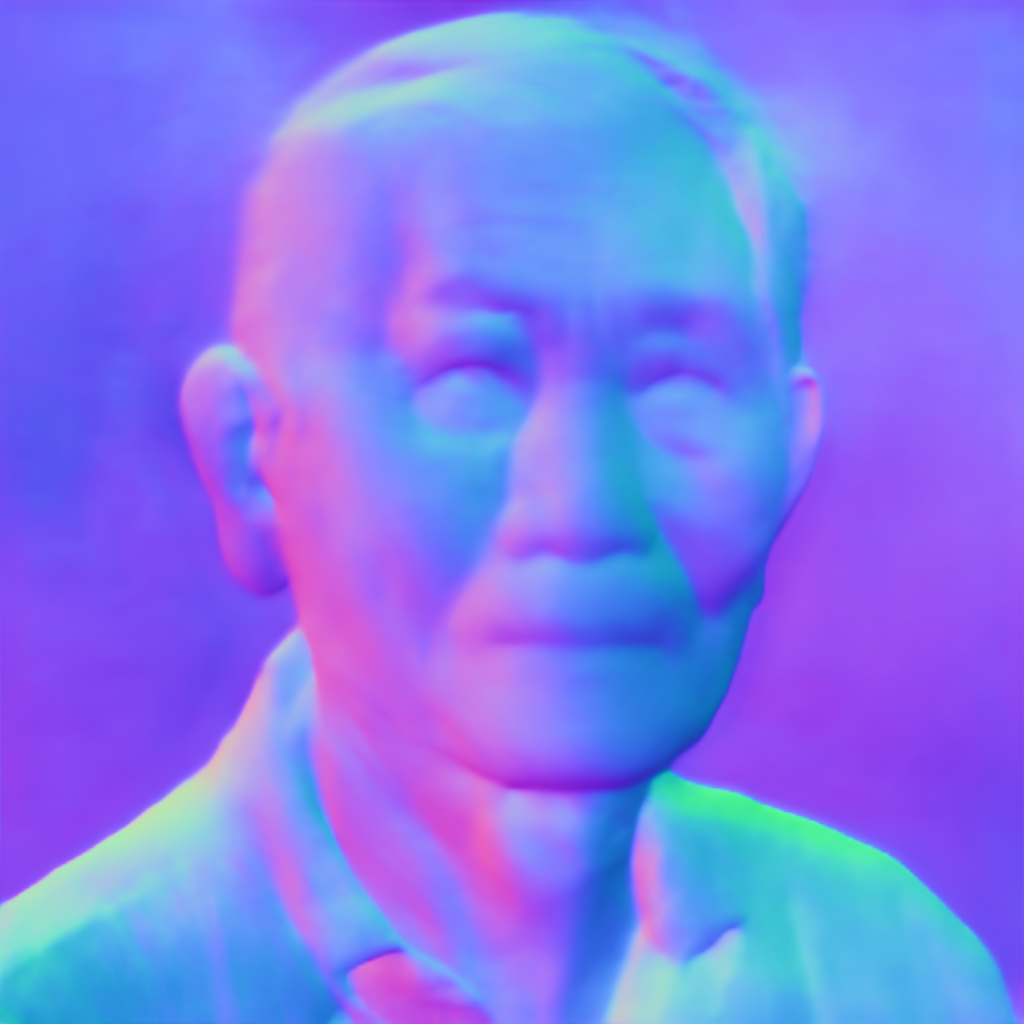
A tangent-space surface normal map for the published plate a-avatar-m2.png, 1024x1024 - the same size as the plate, so the two compare pixel for pixel with no resample in between. RGB encodes the XYZ surface direction remapped from -1..1 into 0..255. Decoded back to vectors this file measures a mean length of 0.9967, which is the number to check your own decode against: a reader that transposes the channels or inverts the remap still produces a plausible-looking image, and lights the surface the wrong way.
The same plate encoded once at JPEG quality 25. Blocking and ringing are bounded by that single pass, so a restorer can be scored against the PNG reference in this group rather than against an opinion Plate owner-cafe.
The same plate encoded once at JPEG quality 50. Blocking and ringing are bounded by that single pass, so a restorer can be scored against the PNG reference in this group rather than against an opinion Plate owner-cafe.
The same plate encoded once at JPEG quality 75. Blocking and ringing are bounded by that single pass, so a restorer can be scored against the PNG reference in this group rather than against an opinion Plate owner-cafe.
The same plate encoded once at JPEG quality 90. Blocking and ringing are bounded by that single pass, so a restorer can be scored against the PNG reference in this group rather than against an opinion Plate owner-cafe.
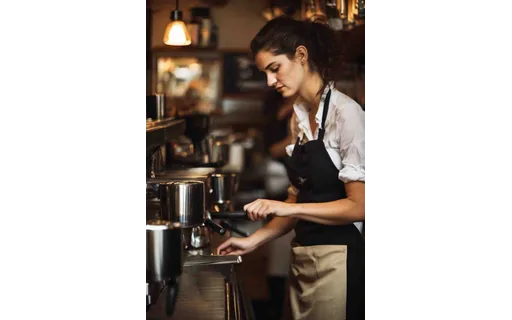
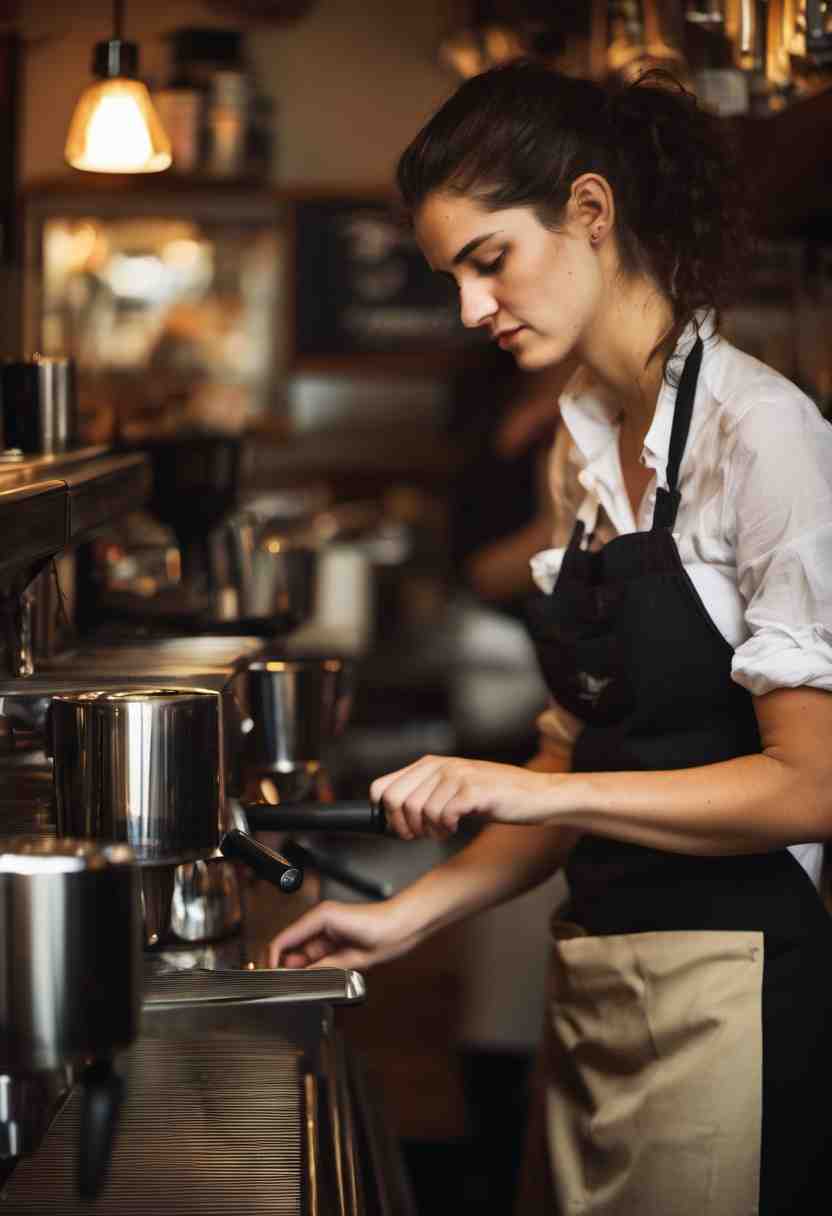
A synthetic photographic plate of an independent business owner, 701x1024, lossless PNG. This is the reference every lossy variant in this group is derived from Plate owner-cafe.
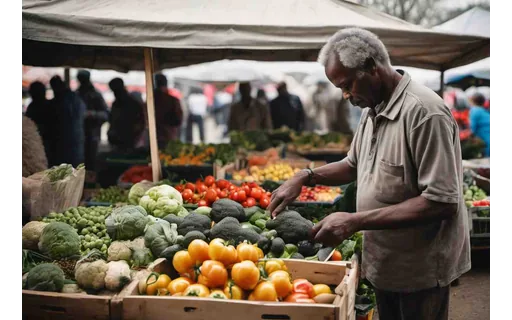
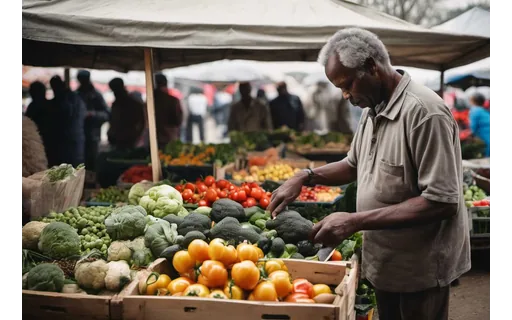
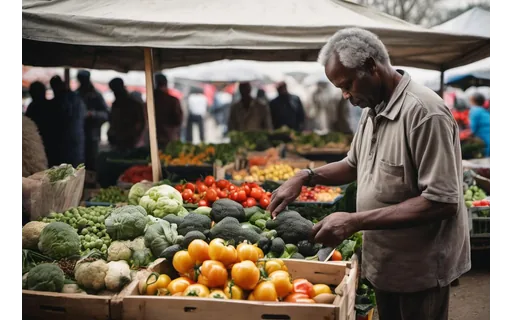
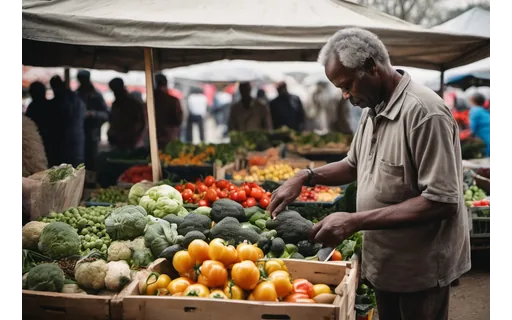
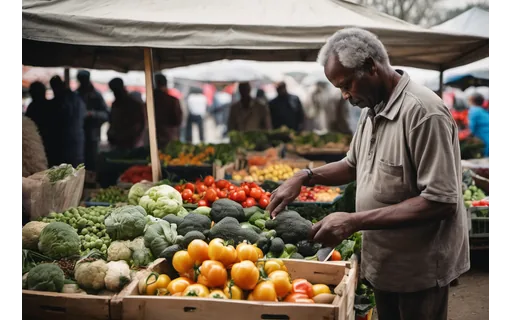
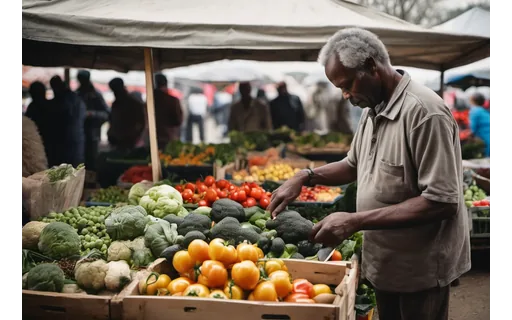
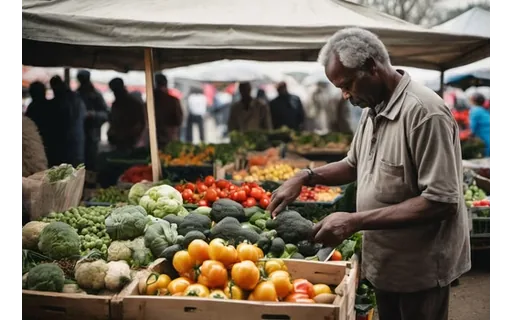
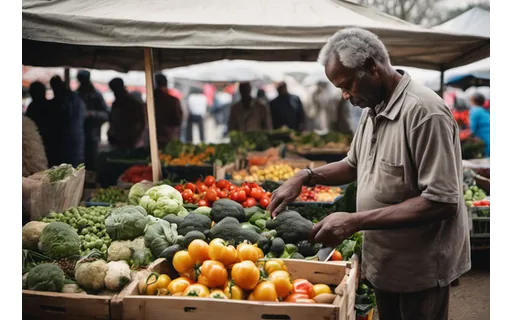
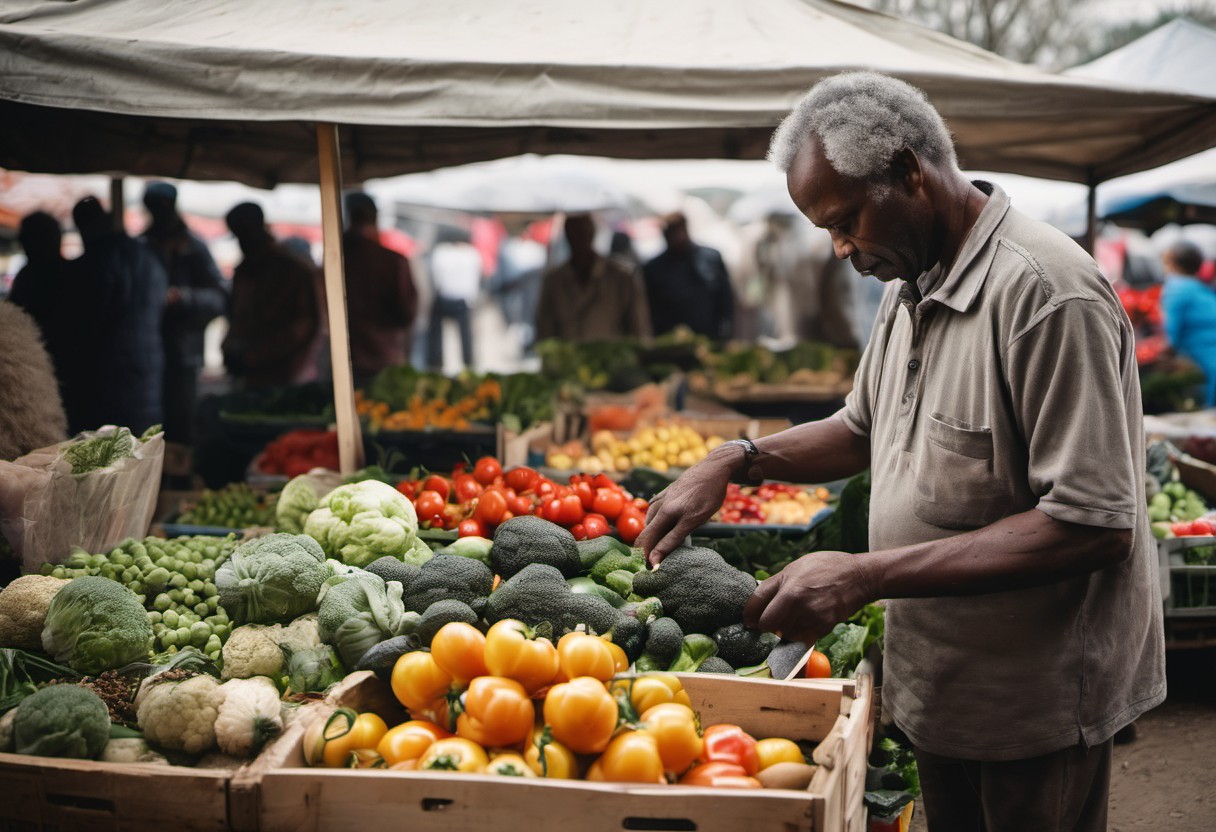
The same plate encoded once at JPEG quality 25. Blocking and ringing are bounded by that single pass, so a restorer can be scored against the PNG reference in this group rather than against an opinion Plate p-market-sen.
The same plate encoded once at JPEG quality 50. Blocking and ringing are bounded by that single pass, so a restorer can be scored against the PNG reference in this group rather than against an opinion Plate p-market-sen.
The same plate encoded once at JPEG quality 75. Blocking and ringing are bounded by that single pass, so a restorer can be scored against the PNG reference in this group rather than against an opinion Plate p-market-sen.
The same plate encoded once at JPEG quality 90. Blocking and ringing are bounded by that single pass, so a restorer can be scored against the PNG reference in this group rather than against an opinion Plate p-market-sen.
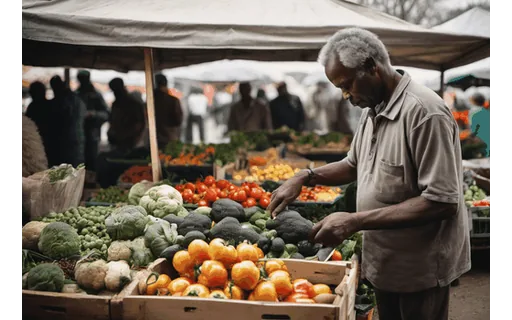
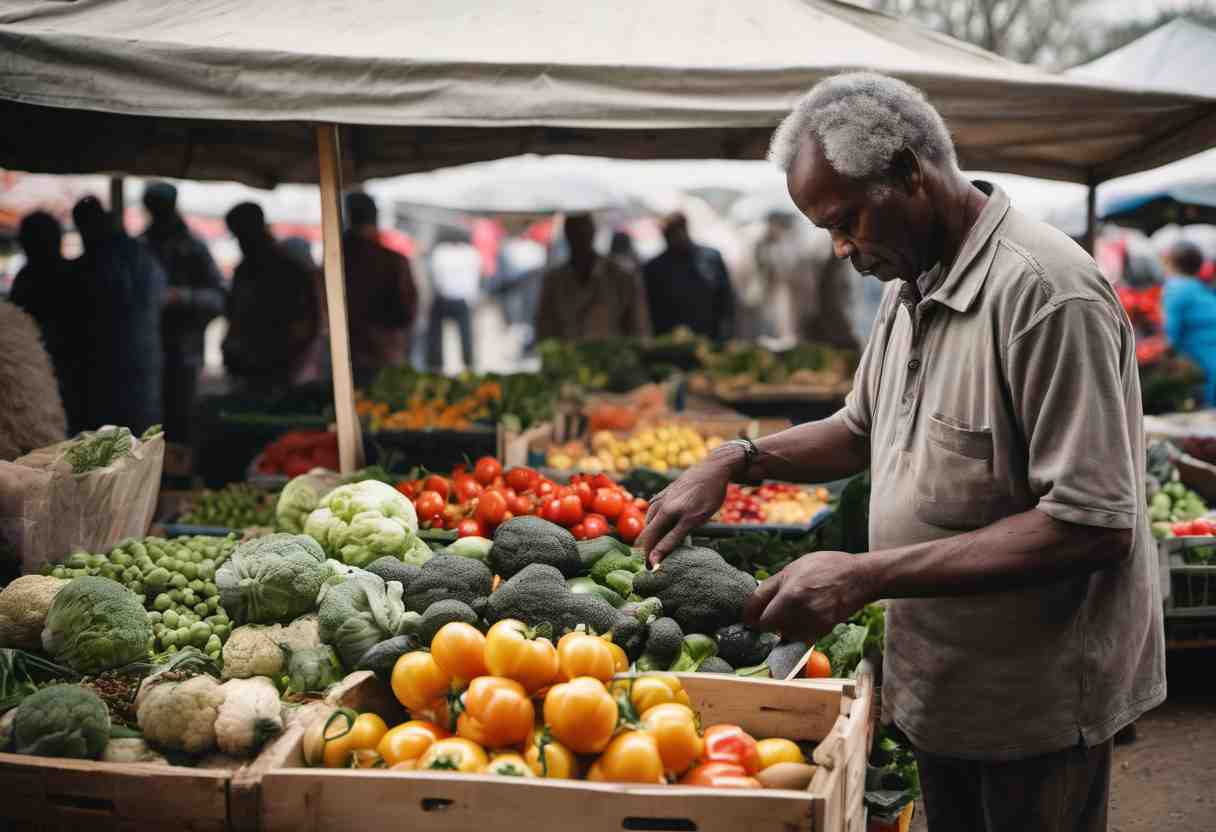
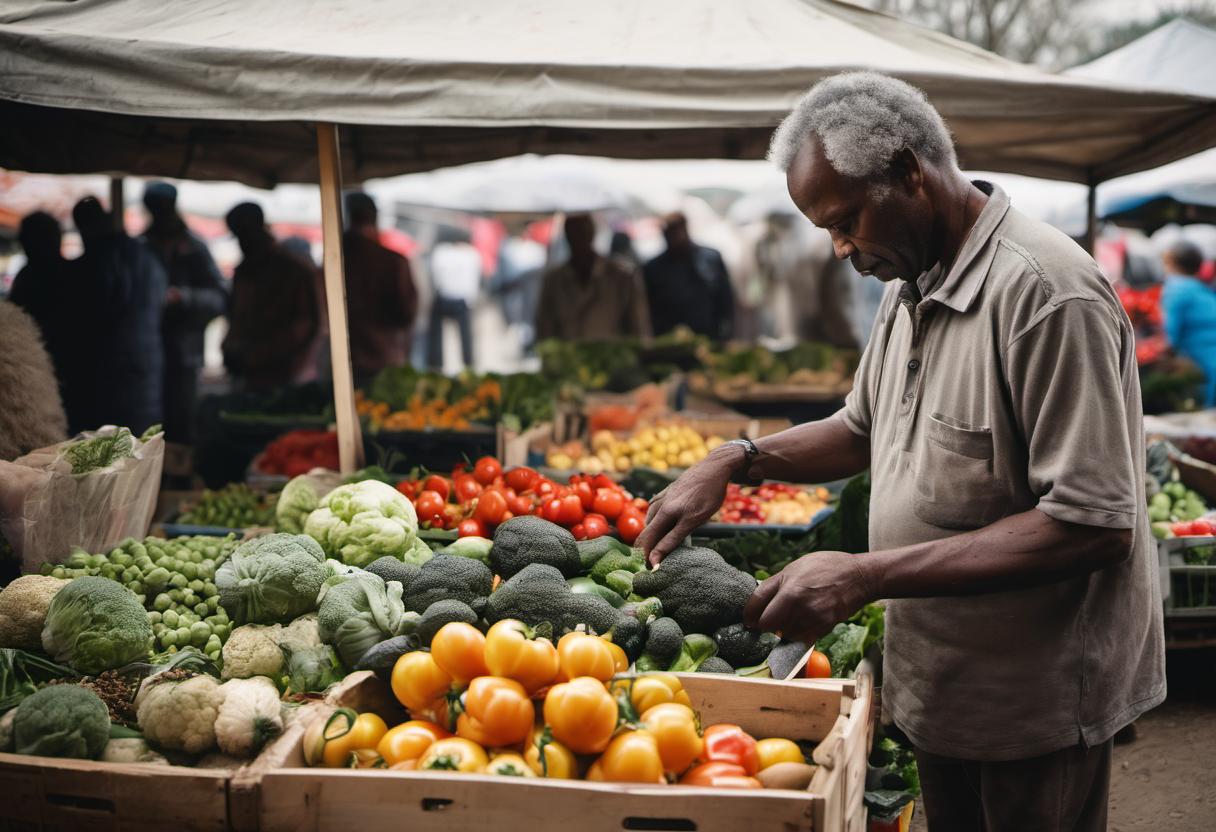
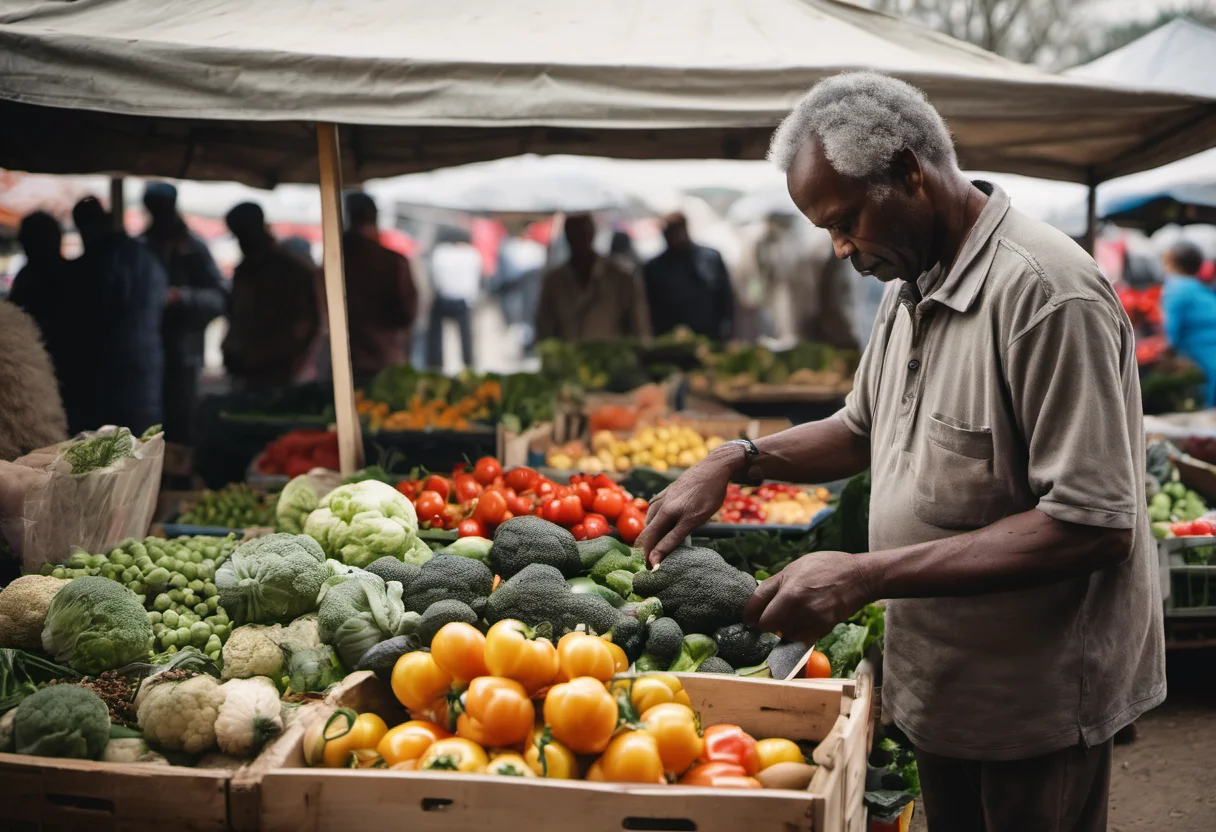
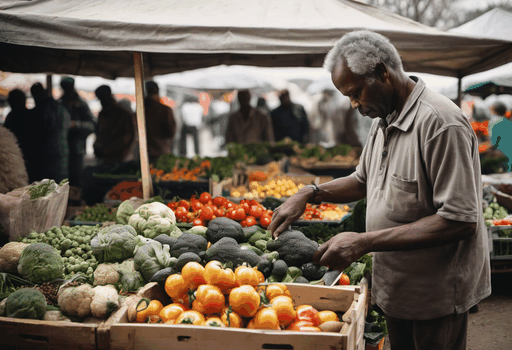
A synthetic photographic plate of a person at work, 1024x701, lossless PNG. This is the reference every lossy variant in this group is derived from Plate p-market-sen.
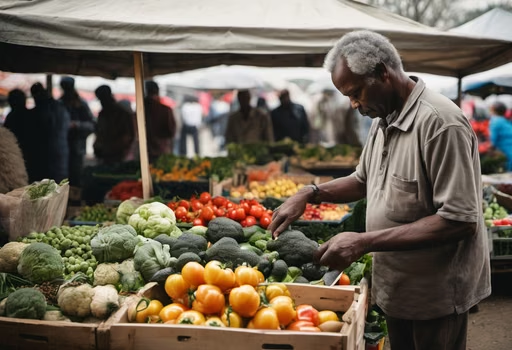
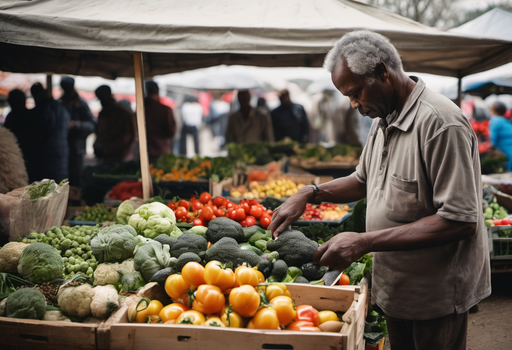
The same 512x350 photograph written as avif lossy. AV1 still image: modern, small, and unsupported by a surprising amount of tooling. Every member of this group is identical pixels, so a decoder returning different dimensions or a different pixel count has lost something rather than simply produced a different file; the 24-bit PNG in this group is lossless and is the reference the lossy members are measured against Source plate p-market-sen.
The same 512x350 photograph written as bmp 24bit. BMP stores rows bottom-up, so a reader that ignores that returns the image flipped. Every member of this group is identical pixels, so a decoder returning different dimensions or a different pixel count has lost something rather than simply produced a different file; the 24-bit PNG in this group is lossless and is the reference the lossy members are measured against Source plate p-market-sen.
The same 512x350 photograph written as gif 256. GIF cannot hold more than 256 colours, so this is quantised by the format itself. Every member of this group is identical pixels, so a decoder returning different dimensions or a different pixel count has lost something rather than simply produced a different file; the 24-bit PNG in this group is lossless and is the reference the lossy members are measured against Source plate p-market-sen.
The same 512x350 photograph written as heic. What an iPhone produces by default, and what a lot of pipelines still cannot read. Every member of this group is identical pixels, so a decoder returning different dimensions or a different pixel count has lost something rather than simply produced a different file; the 24-bit PNG in this group is lossless and is the reference the lossy members are measured against Source plate p-market-sen.
The same 512x350 photograph written as ico multisize. One file holding four resolutions; a reader that takes the first gets 16 pixels. Every member of this group is identical pixels, so a decoder returning different dimensions or a different pixel count has lost something rather than simply produced a different file; the 24-bit PNG in this group is lossless and is the reference the lossy members are measured against Source plate p-market-sen.
The same 512x350 photograph written as jp2 lossless. Wavelet coding, reversible mode; shares an extension family with the lossy variant below. Every member of this group is identical pixels, so a decoder returning different dimensions or a different pixel count has lost something rather than simply produced a different file; the 24-bit PNG in this group is lossless and is the reference the lossy members are measured against Source plate p-market-sen.