Localization
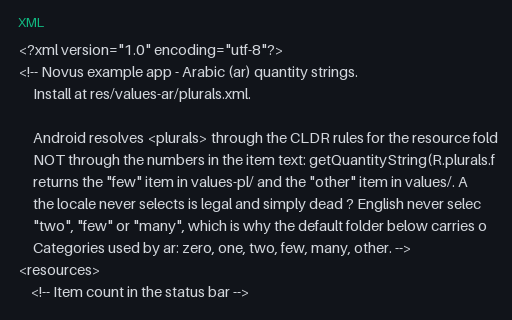
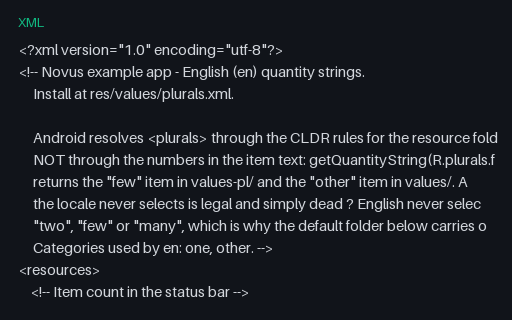
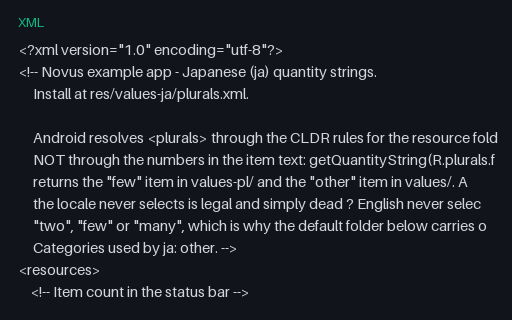
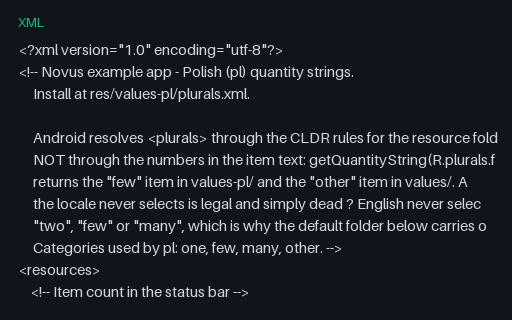
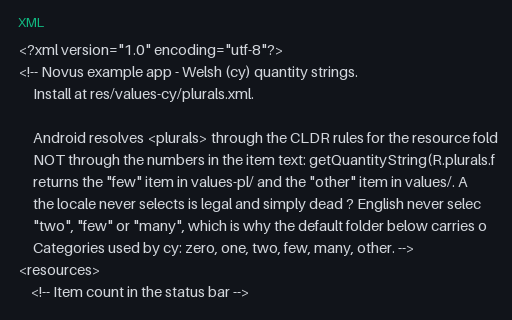
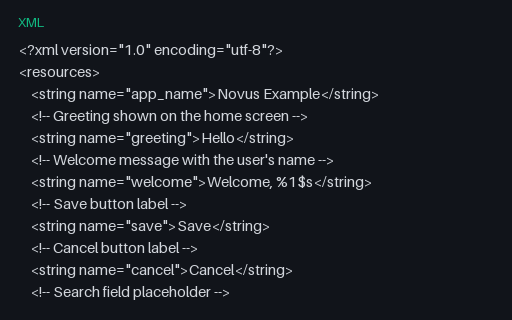
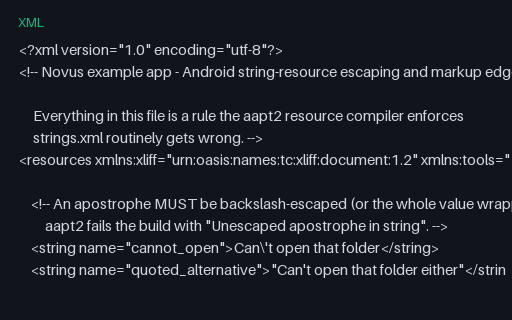
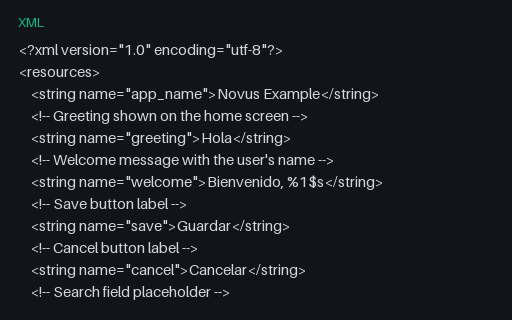
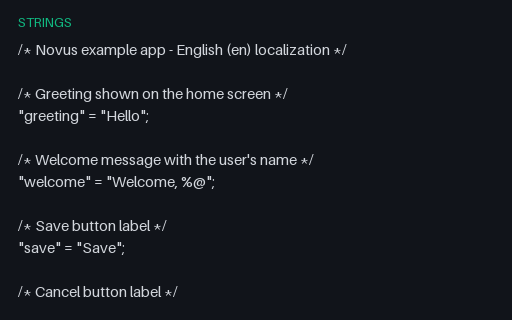
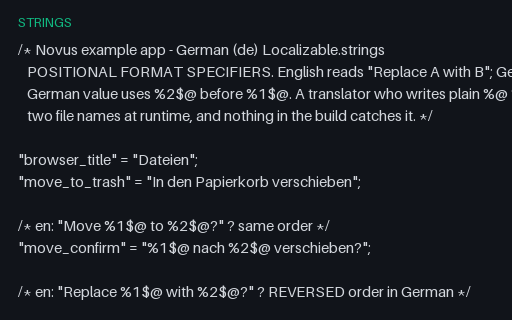
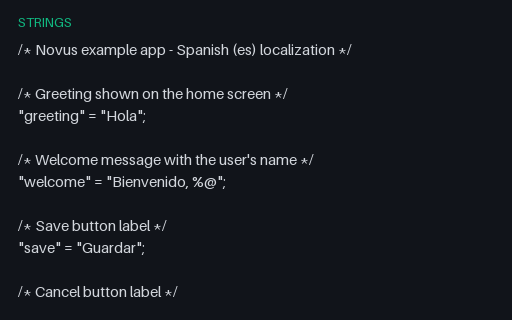
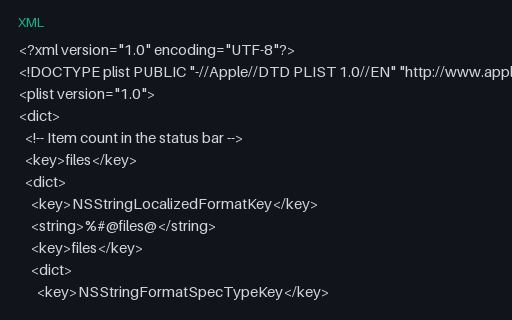
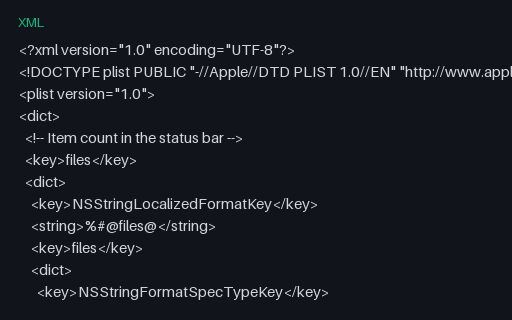
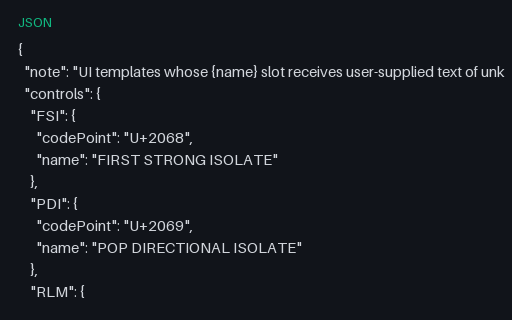
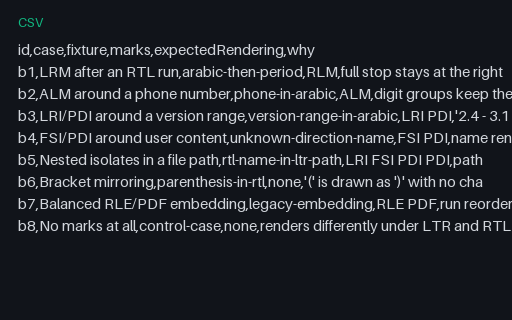
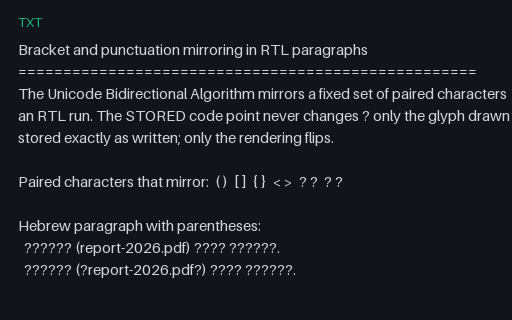
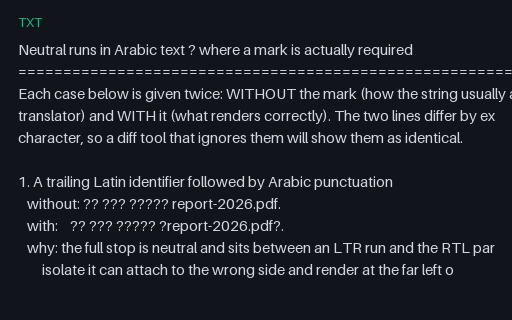
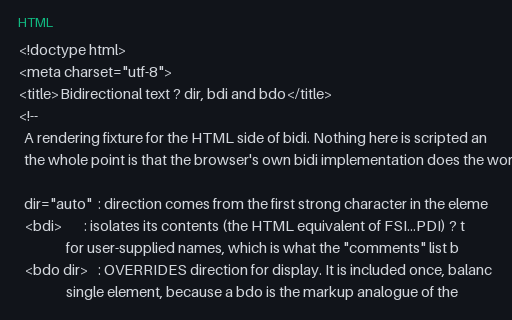
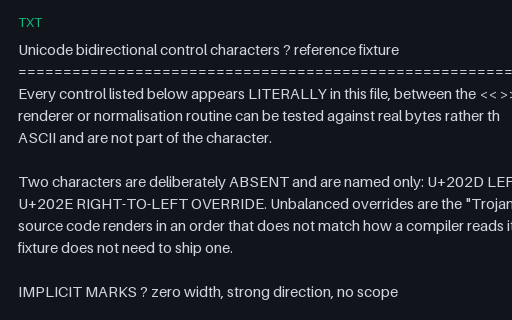
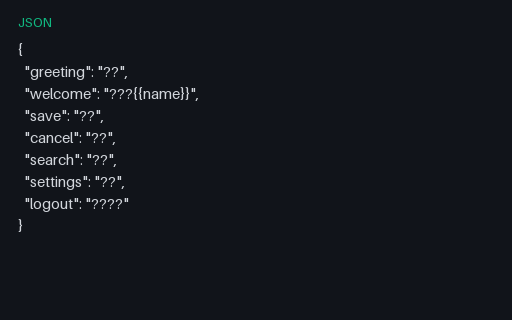
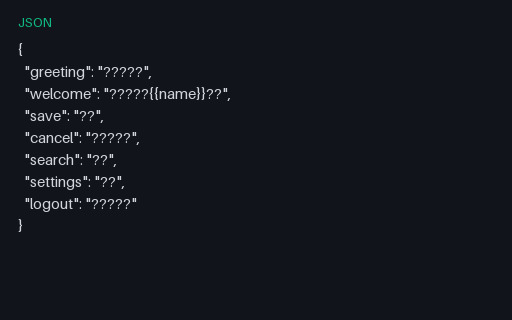
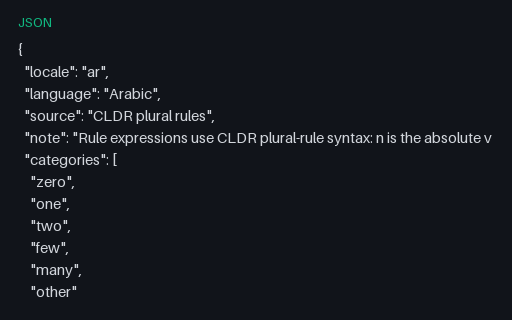
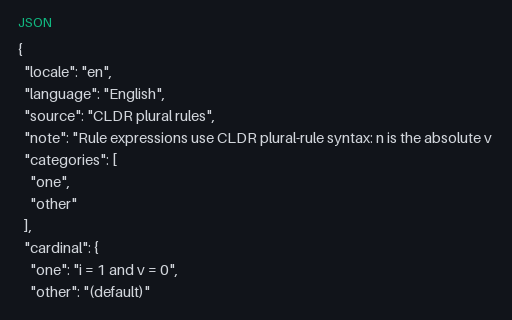
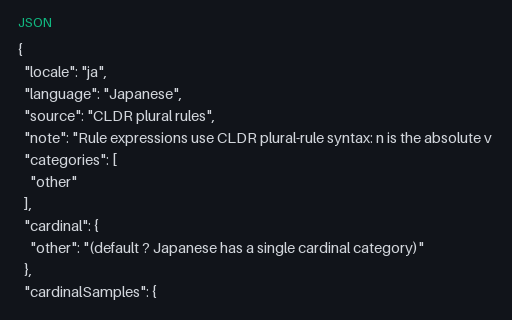
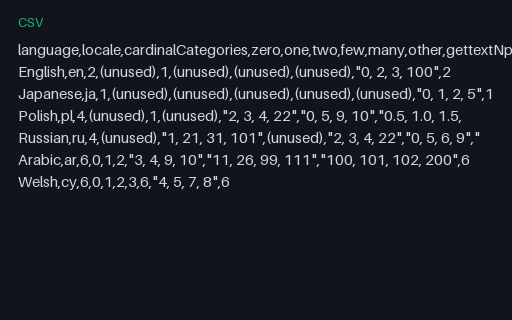
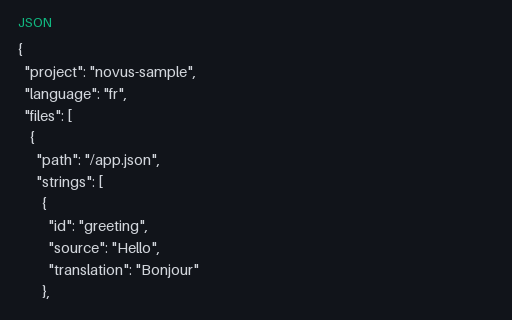
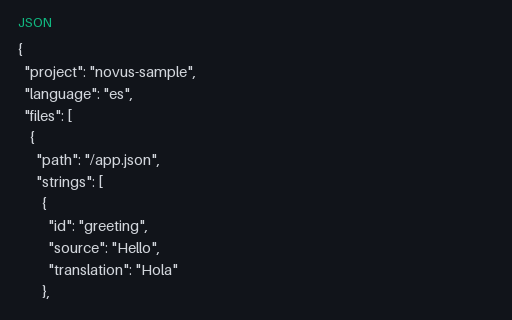
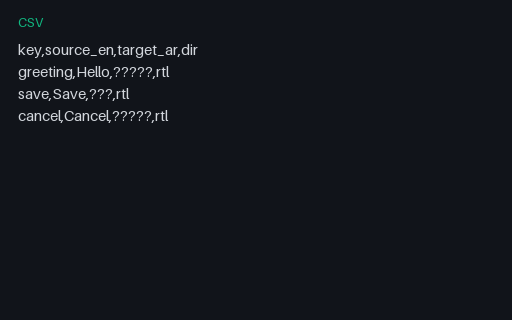
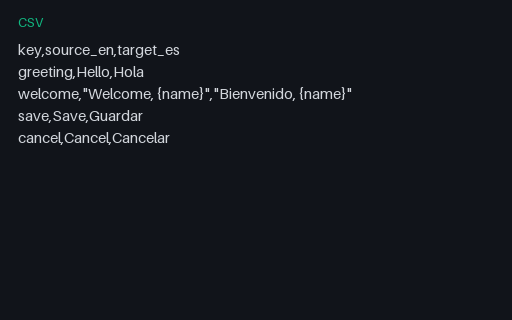
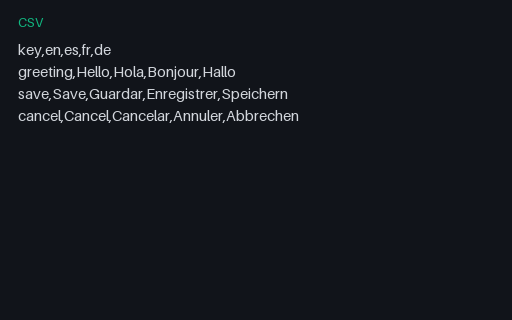
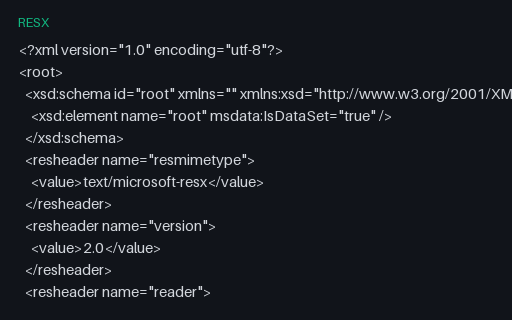
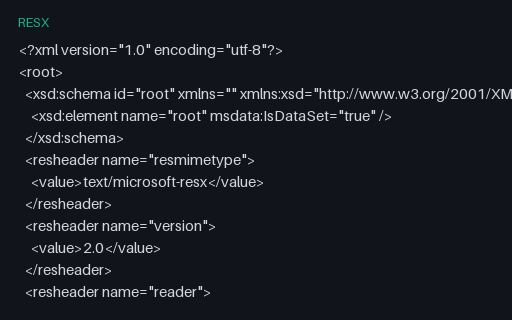
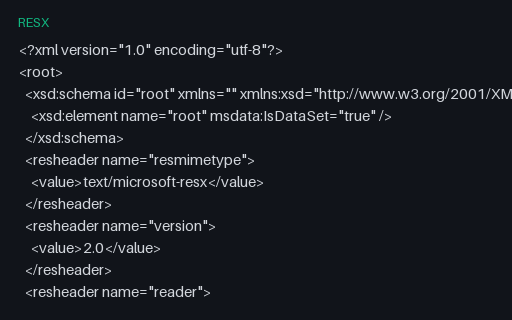
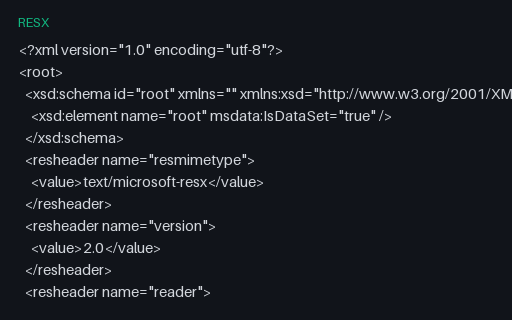
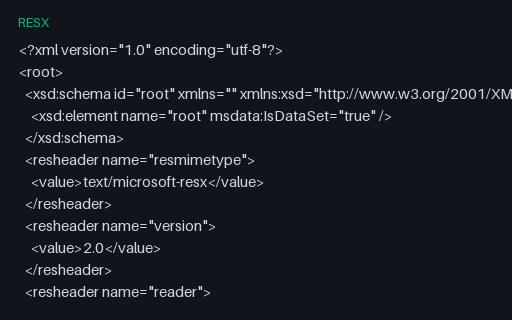
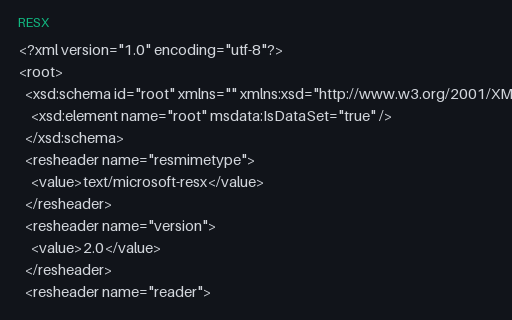
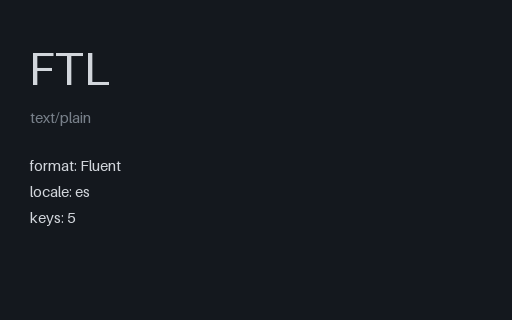
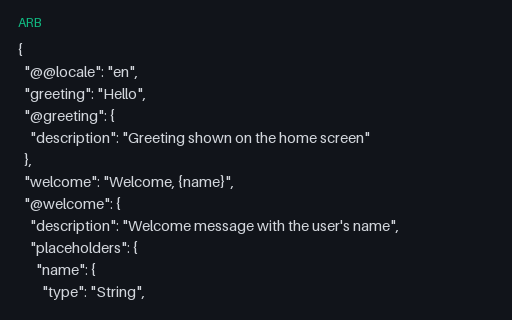
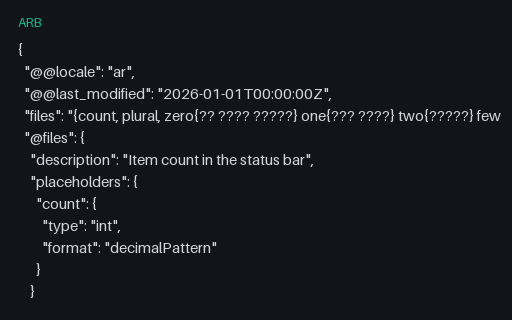
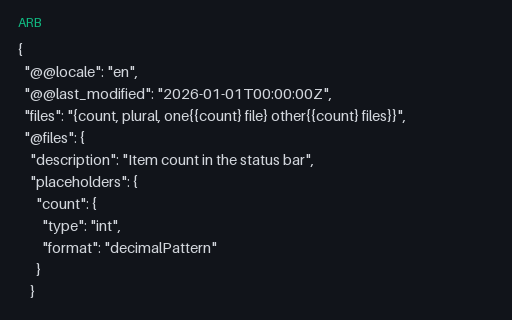
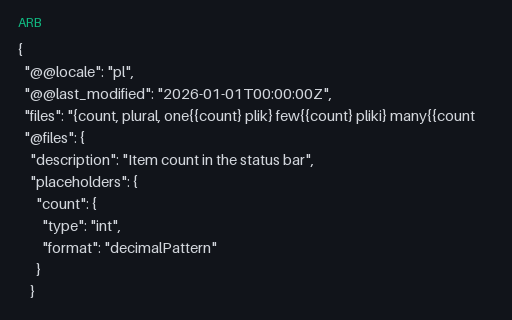
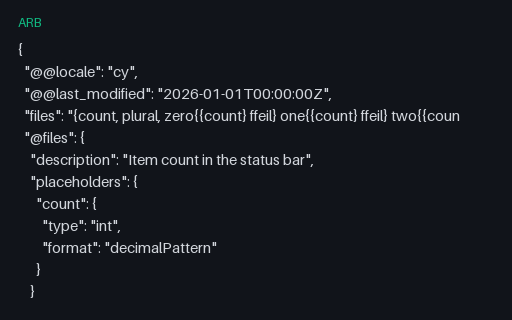
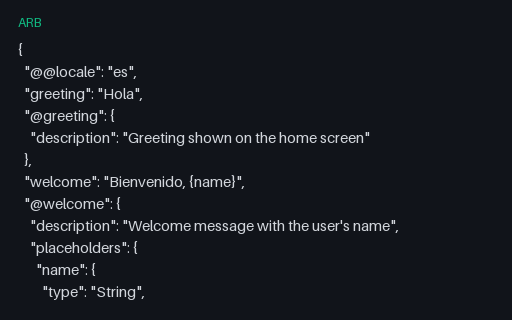
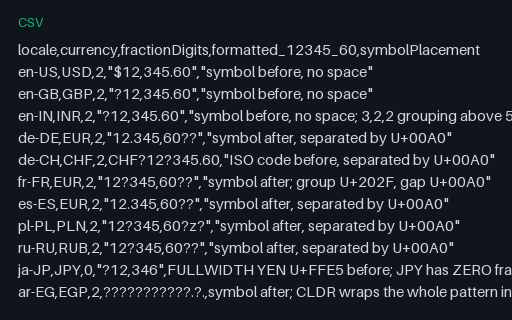
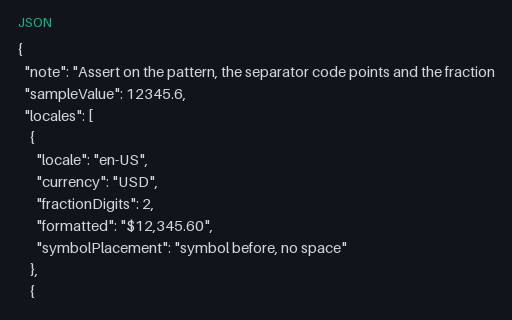
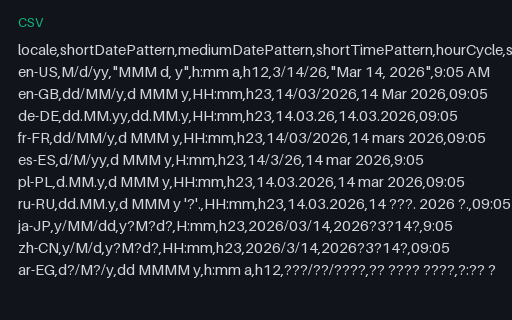
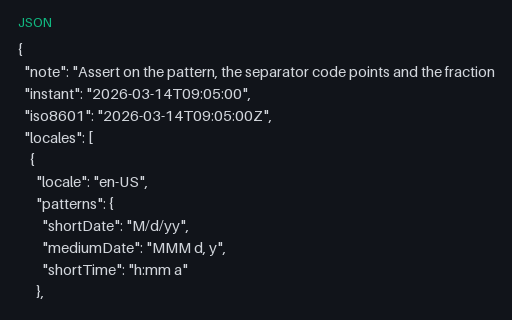
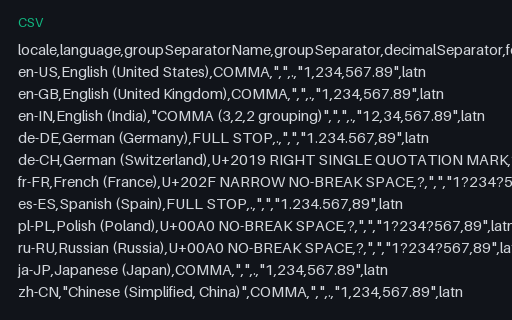
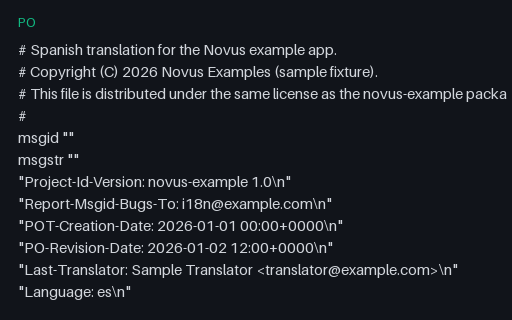
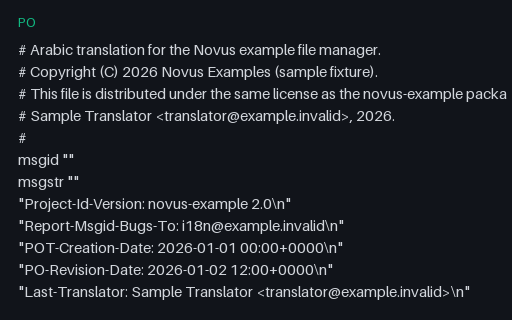
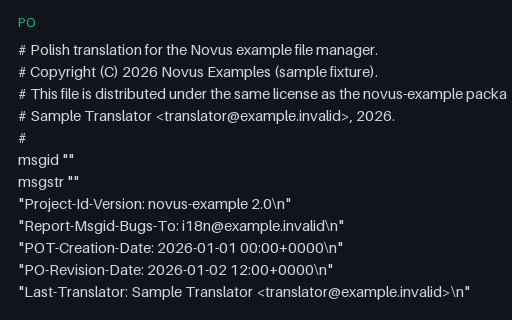
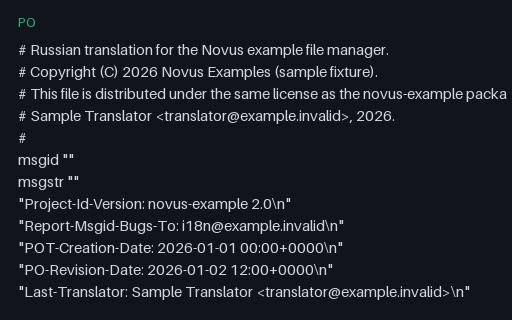
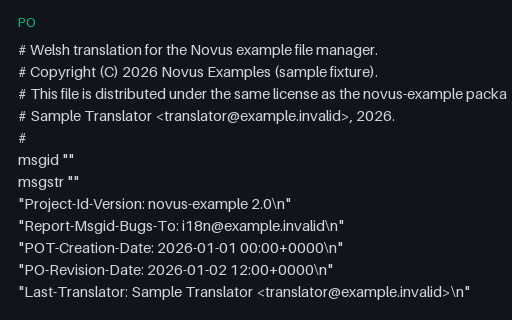
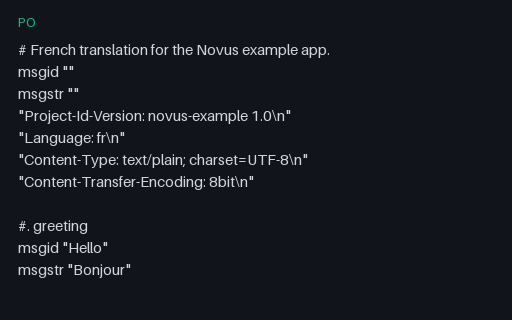
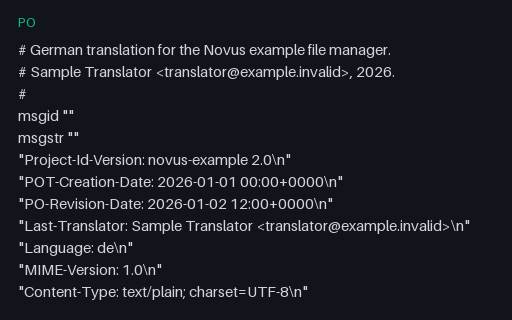
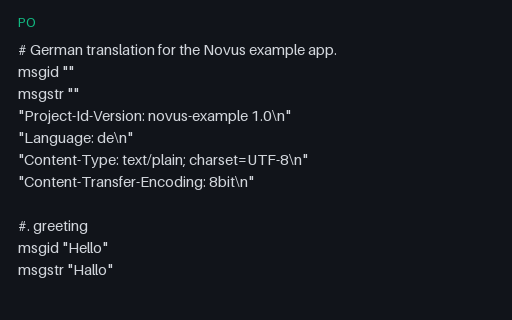
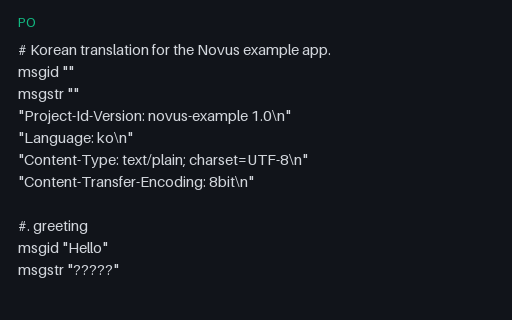
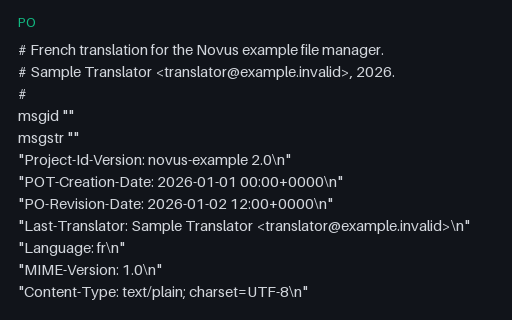
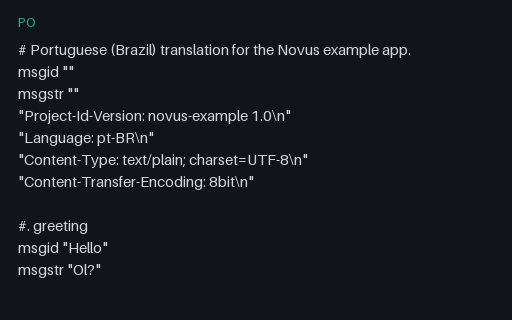
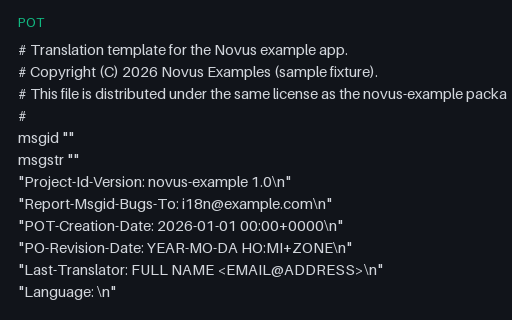
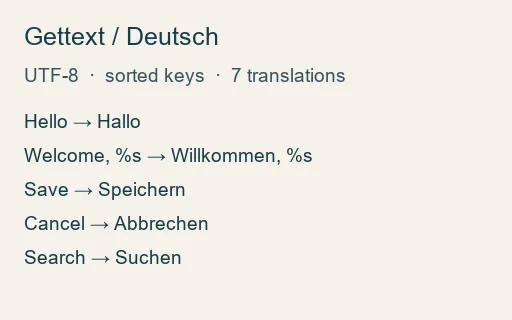
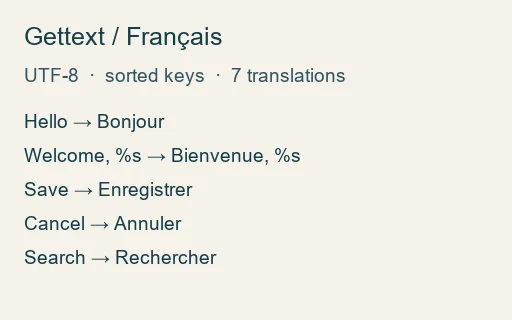
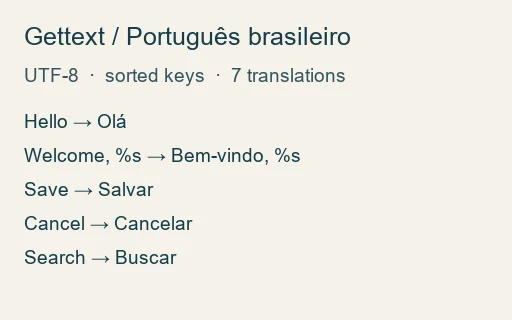
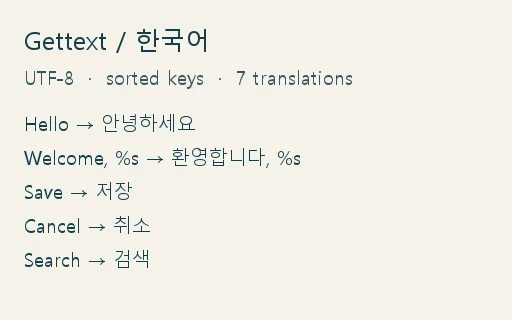
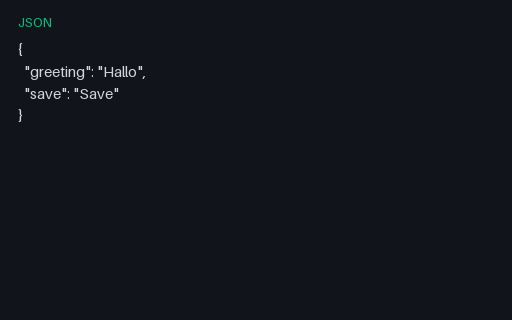
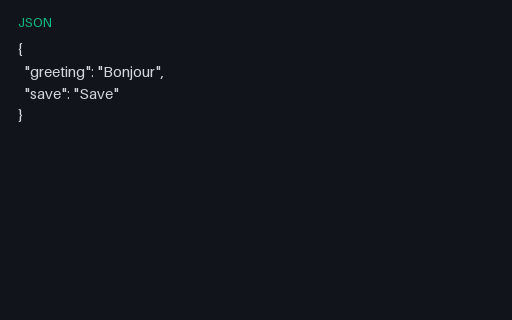
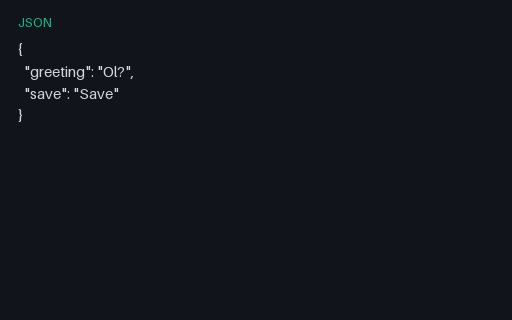
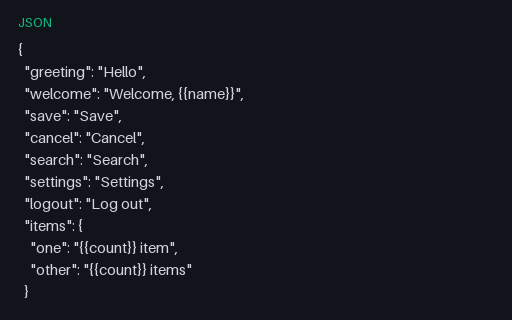
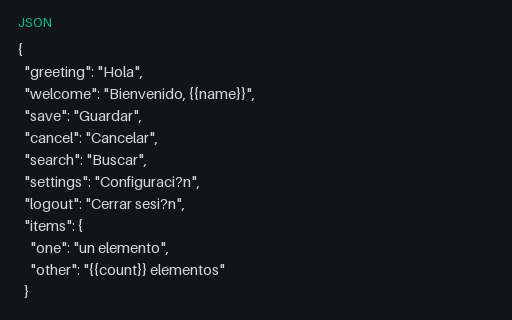
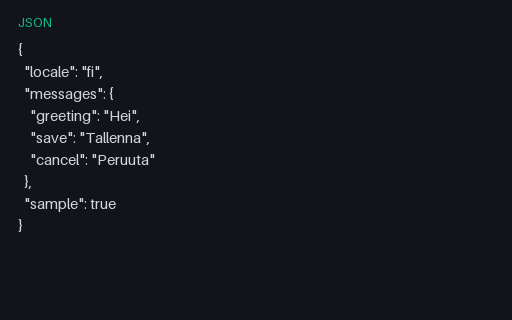
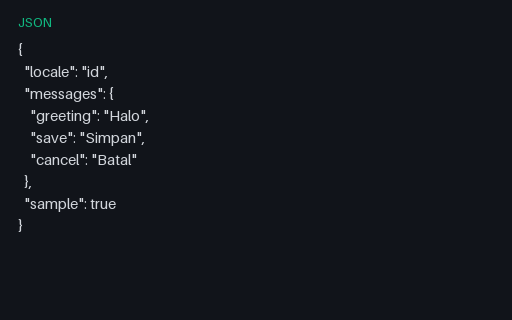
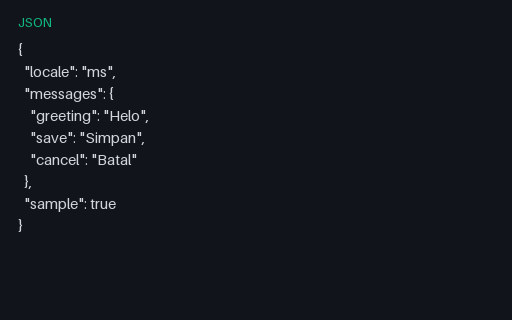
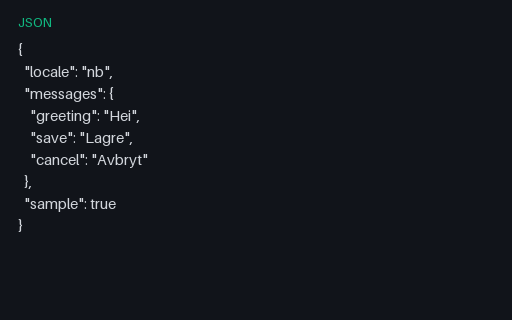
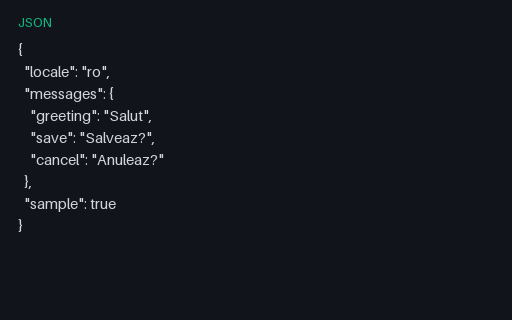
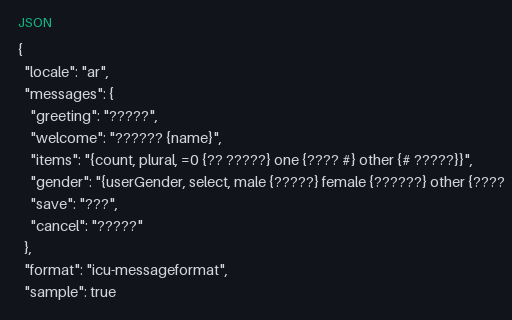
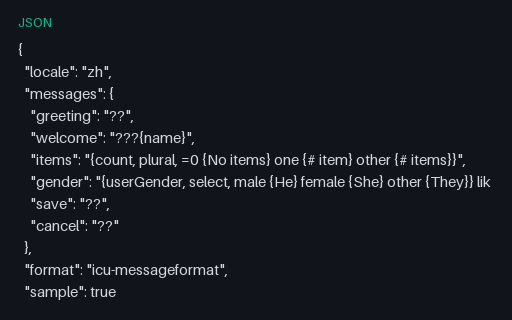
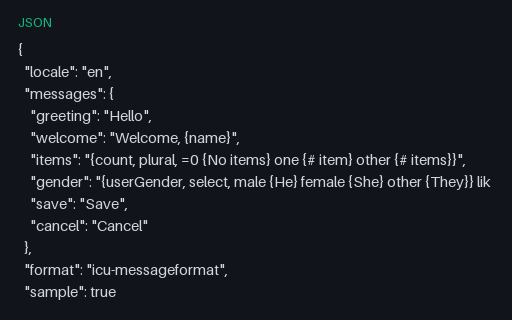
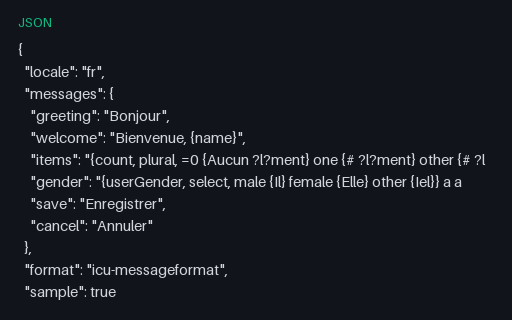
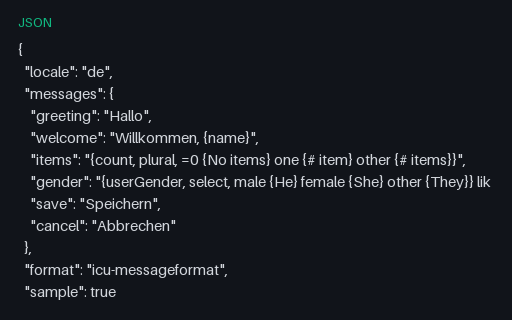
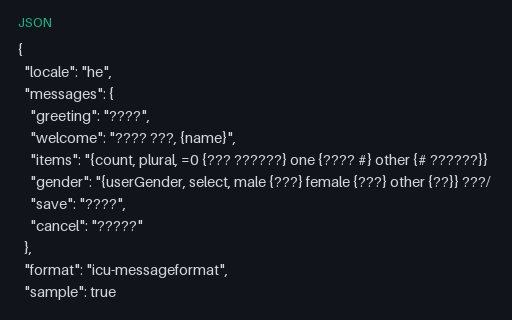
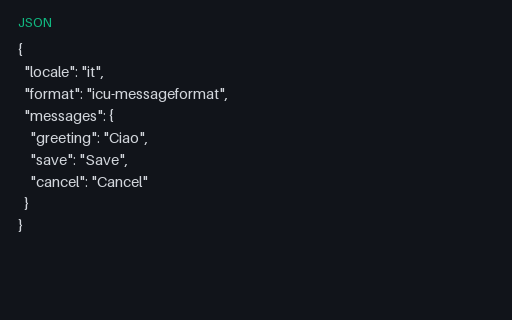
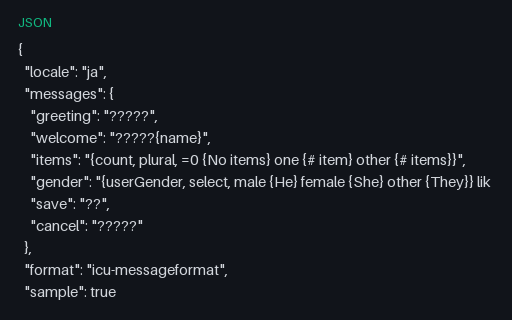
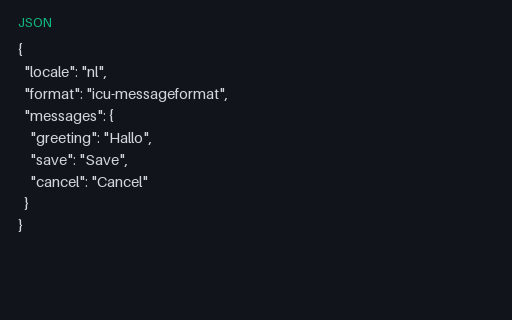
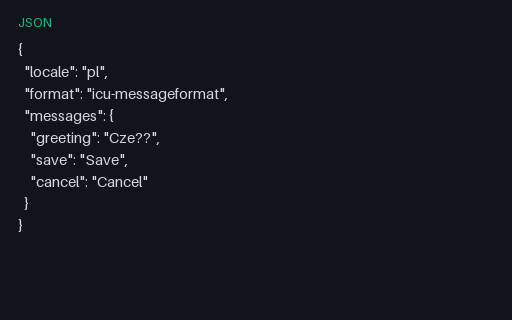
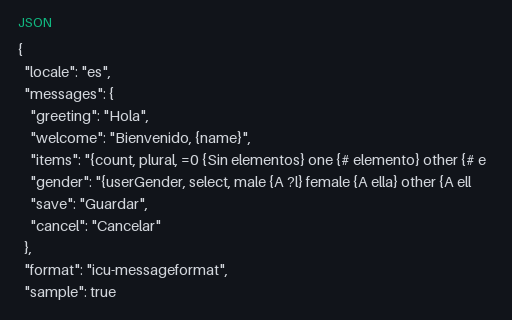
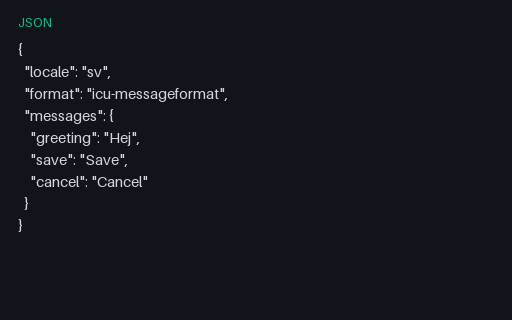
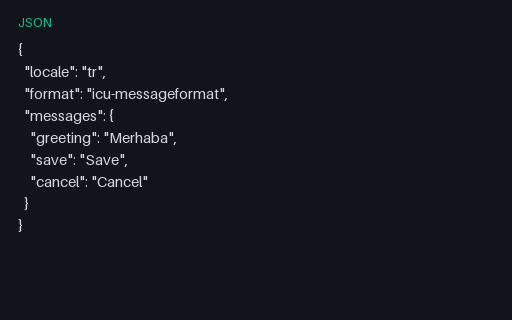
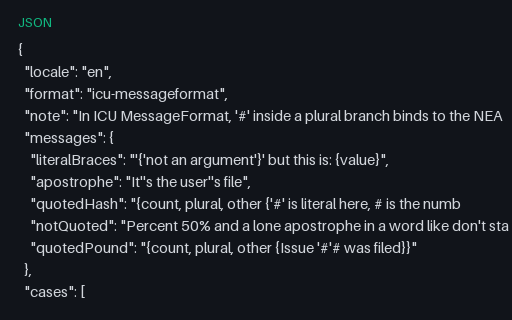
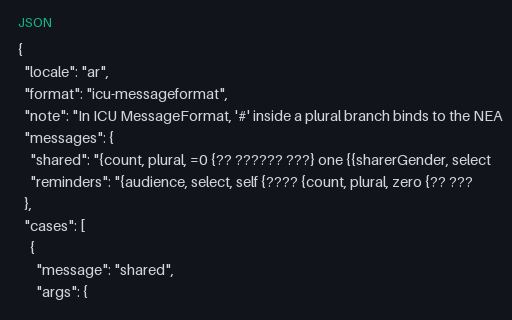
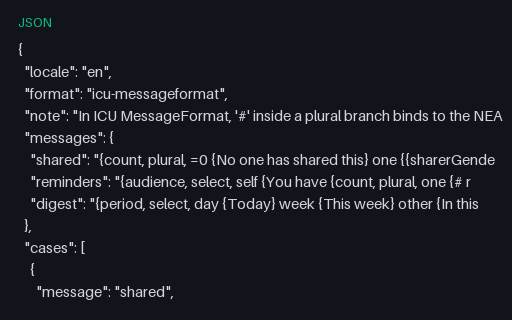
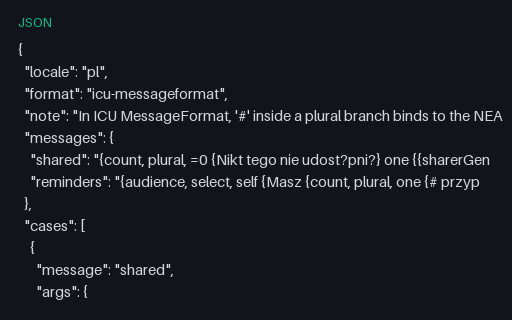
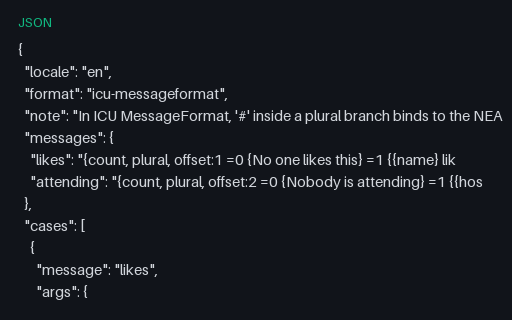
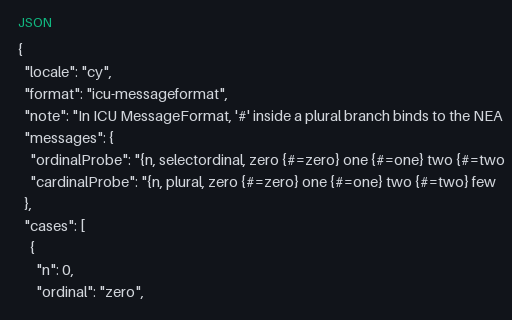
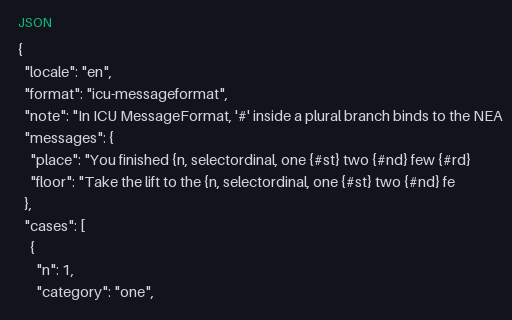
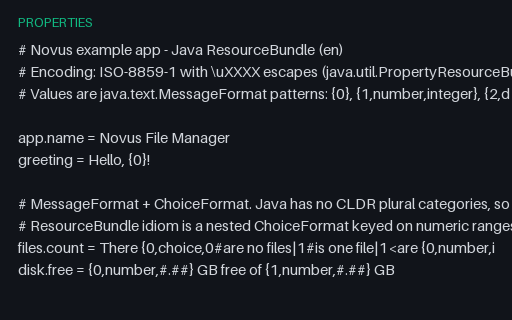
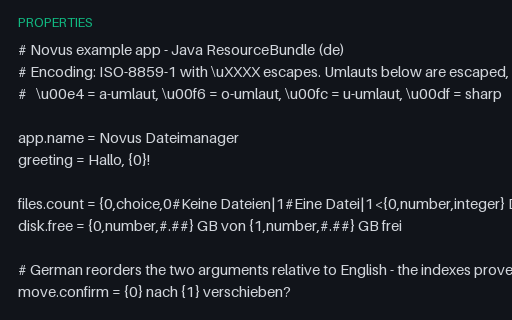
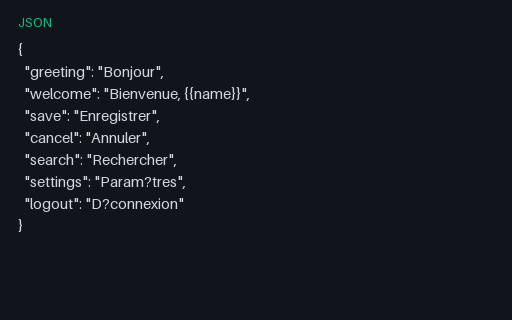
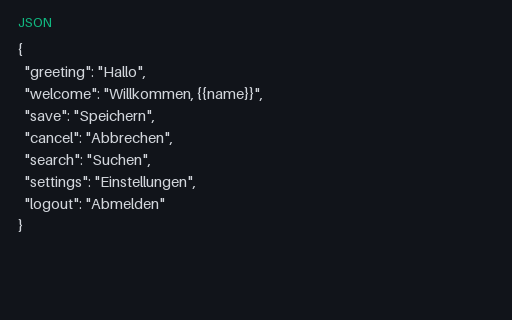
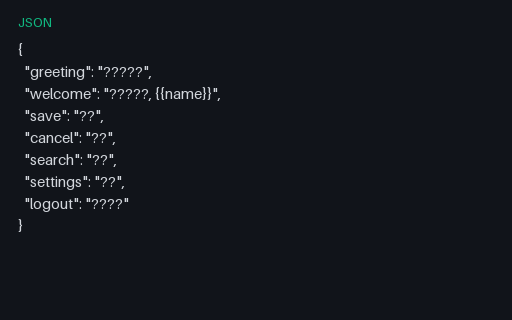
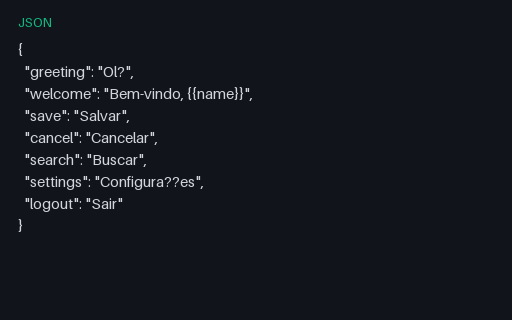
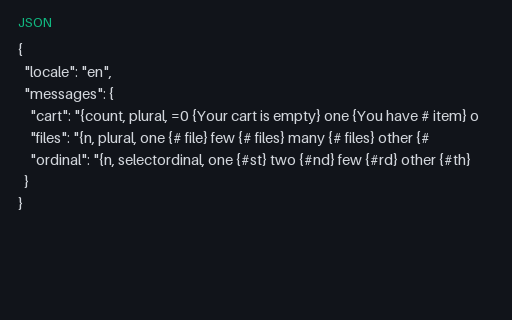
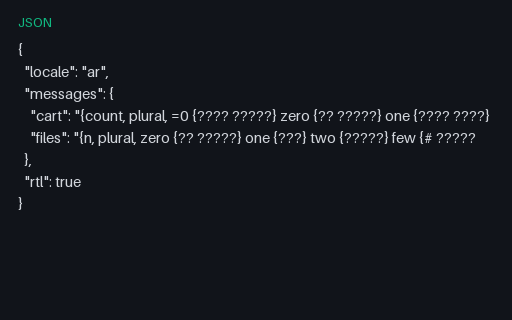
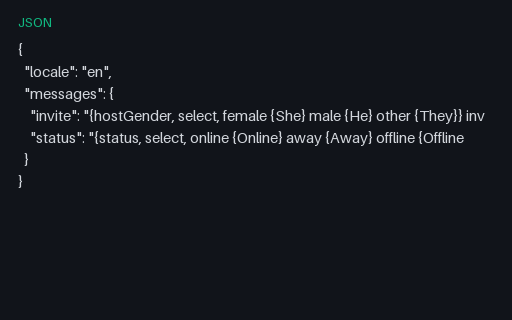
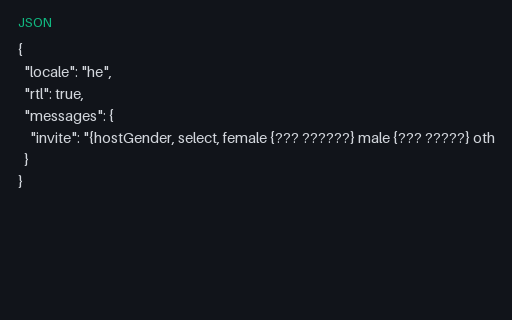
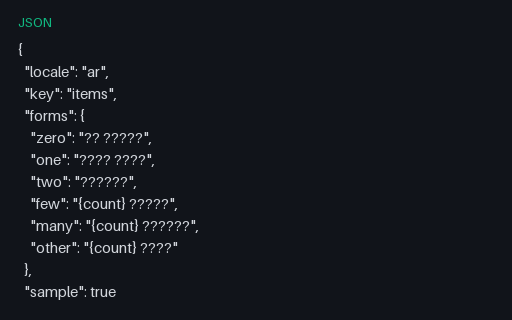
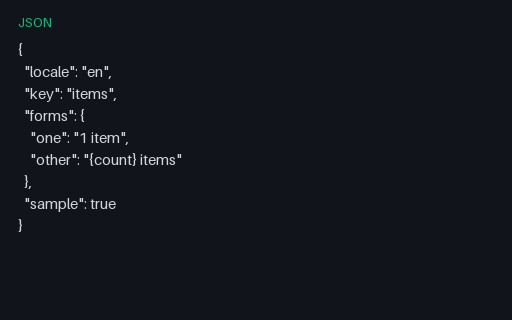
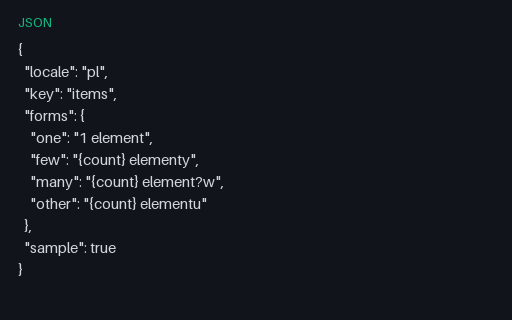
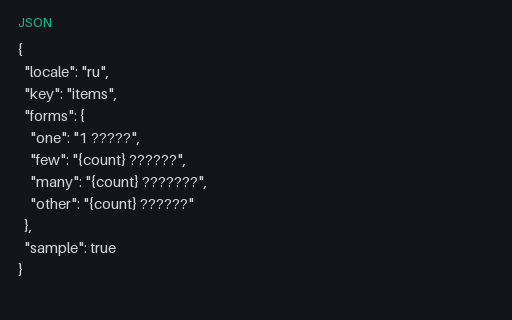
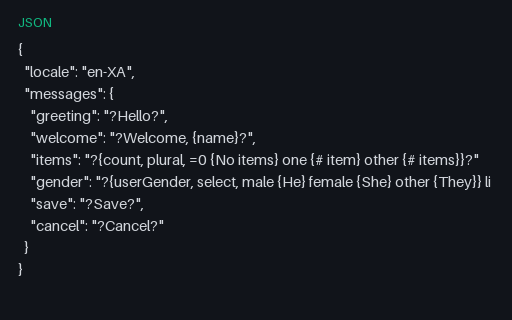
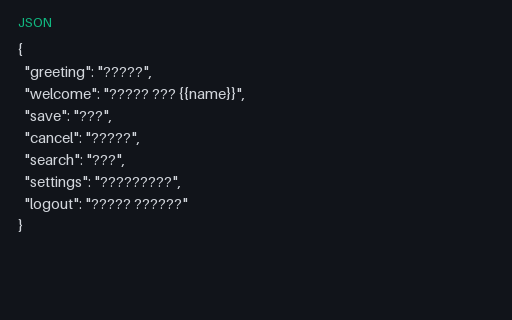
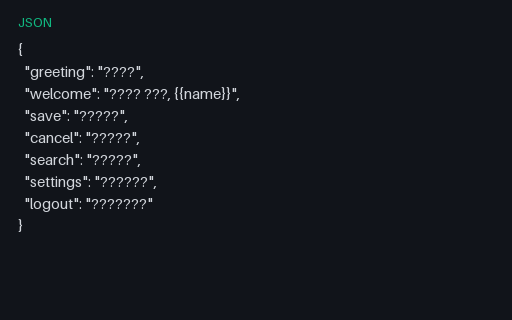
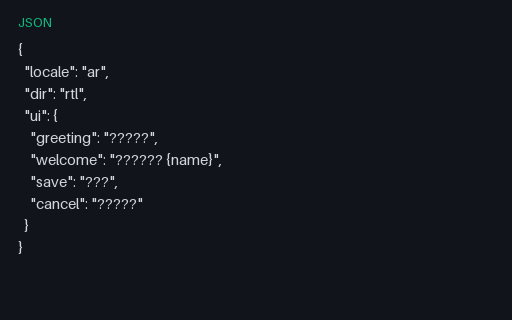
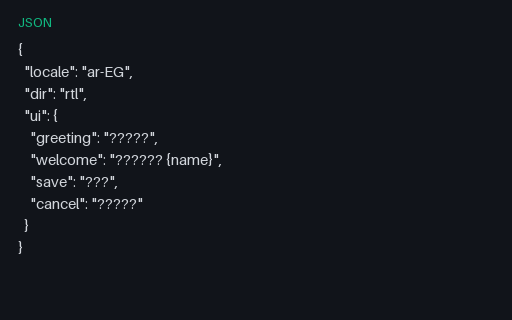
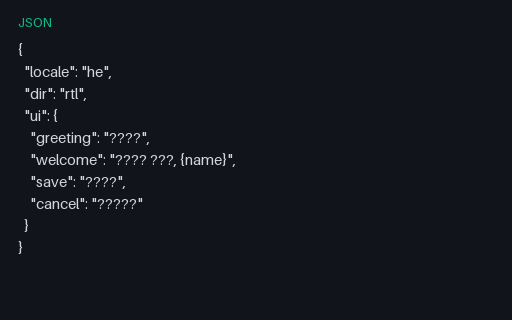
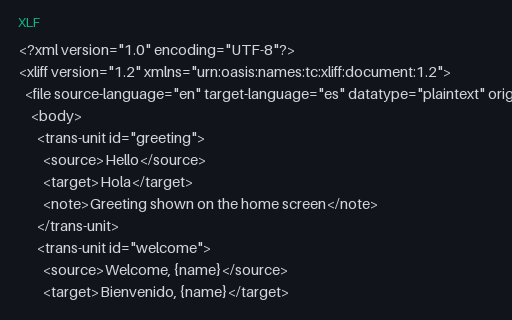
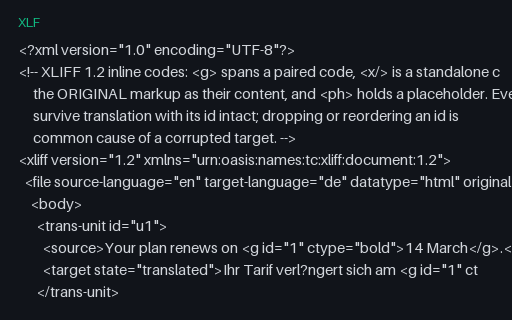
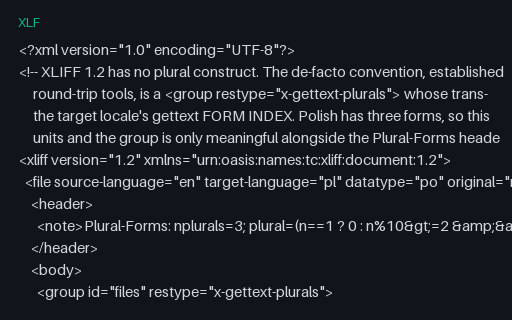
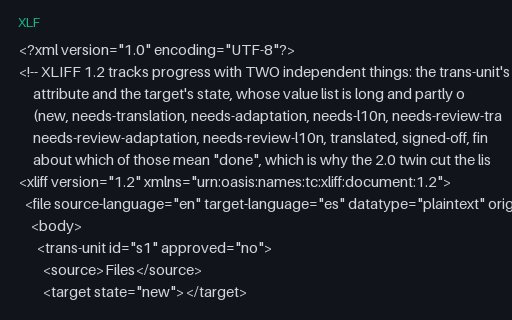
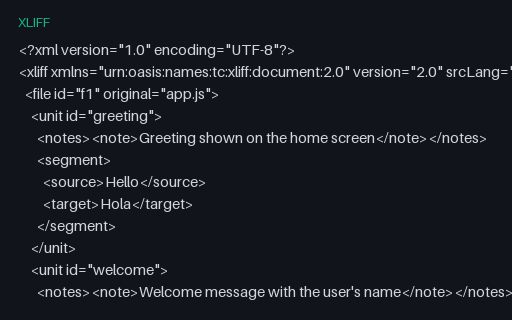
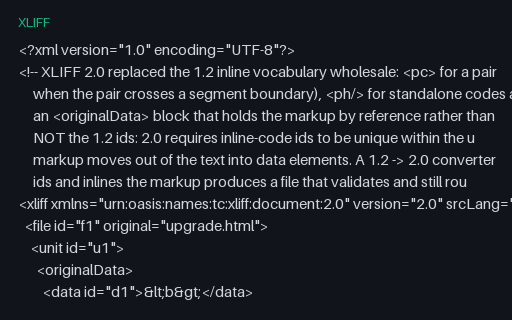
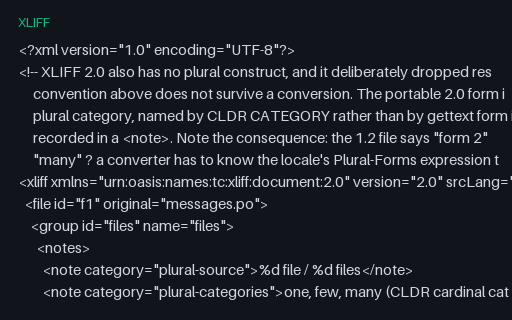
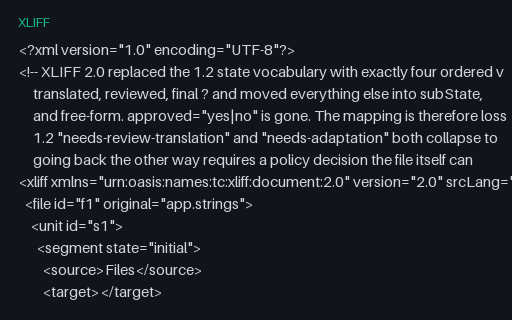
The localization category carries the translation-catalog formats every i18n toolchain has to read, all built from one small message set (a greeting, a name-placeholder welcome, button and menu labels) so you can diff the same content across formats. It covers gettext (a .pot template and a translated .po with plural forms), OASIS XLIFF in both 1.2 and 2.0, Apple .strings, Flutter's .arb (with ICU placeholders and metadata), Android strings.xml (with plurals and a string-array), .NET .resx, and i18next JSON. Each format uses its own native placeholder syntax (%s, %@, {name}, %1$s, {0}, {{name}}) so interpolation handling is exercised too. Beyond the Latin base locales (English and accented Spanish), there are right-to-left variants in Arabic and Hebrew and CJK variants in Japanese and Chinese, for testing bidirectional text, Unicode handling, and font fallback. Fluent .ftl, ICU MessageFormat JSON, plural/select catalogues, deeper RTL packs, and Crowdin/CSV bilingual exports extend the set. Everything is plain text and opens in the in-browser editor, fixtures for testing localization pipelines, translation-memory and CAT tools, catalog converters, and pseudolocalization.
Filter localization on Browse · 161 files · 21 subcategories
Frequently asked questions
Which catalog formats do you cover?+
Gettext PO/POT, XLIFF, Apple strings, Flutter ARB, Android XML, RESX, i18next JSON, plus Fluent .ftl, ICU MessageFormat JSON, bilingual CSV, and Crowdin-shaped exports.
Do you include RTL locales?+
Yes, Arabic, Hebrew, Persian, and Urdu UI packs with dir=rtl for bidirectional layout tests.