Find files, editable templates and browser test targets by what you need to make or test. The directory below is cut by format; the two collections under it cut the same library by subject and by workflow.
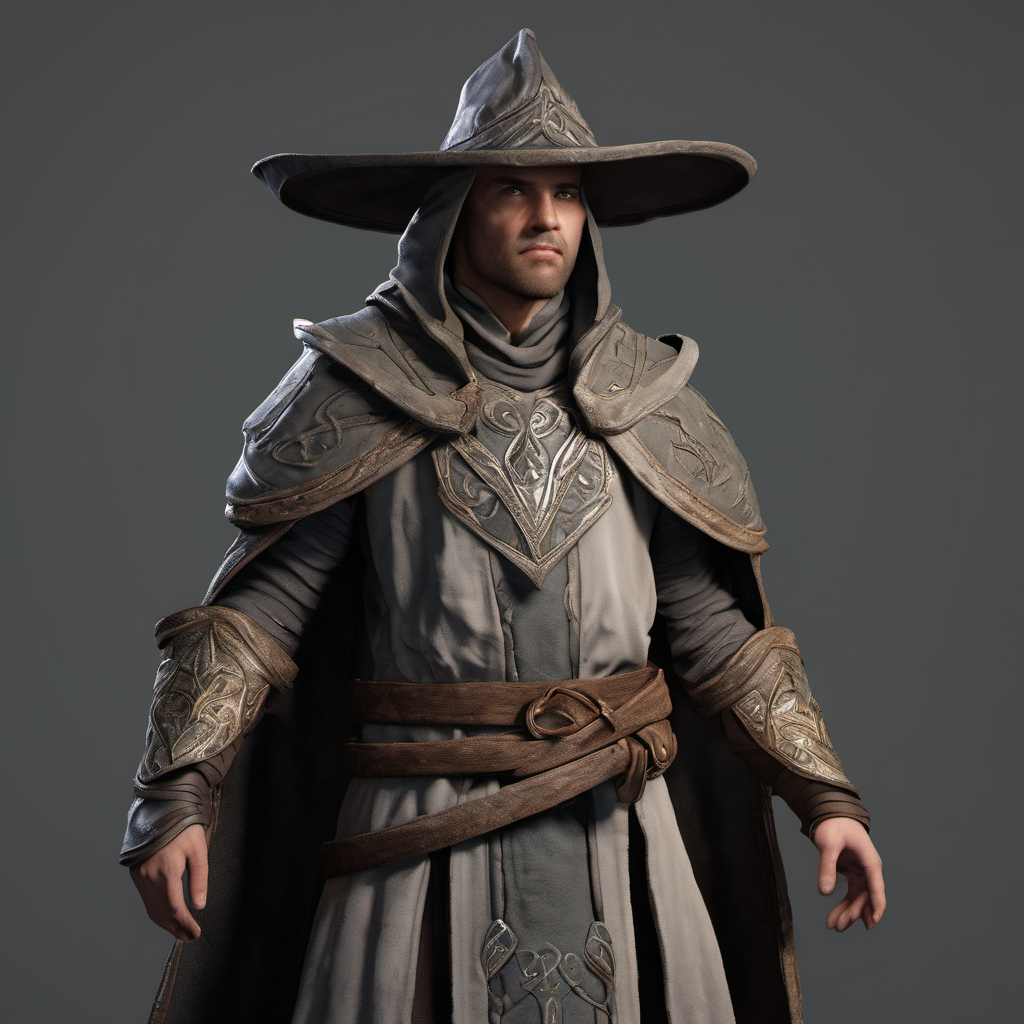
A synthetic photographic plate of a stylised rendered game scene or character, 1024x1024, lossless PNG. This is the reference every lossy variant in this group is derived from Plate g-char-mage.
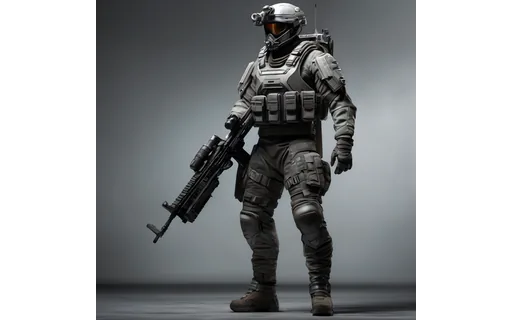
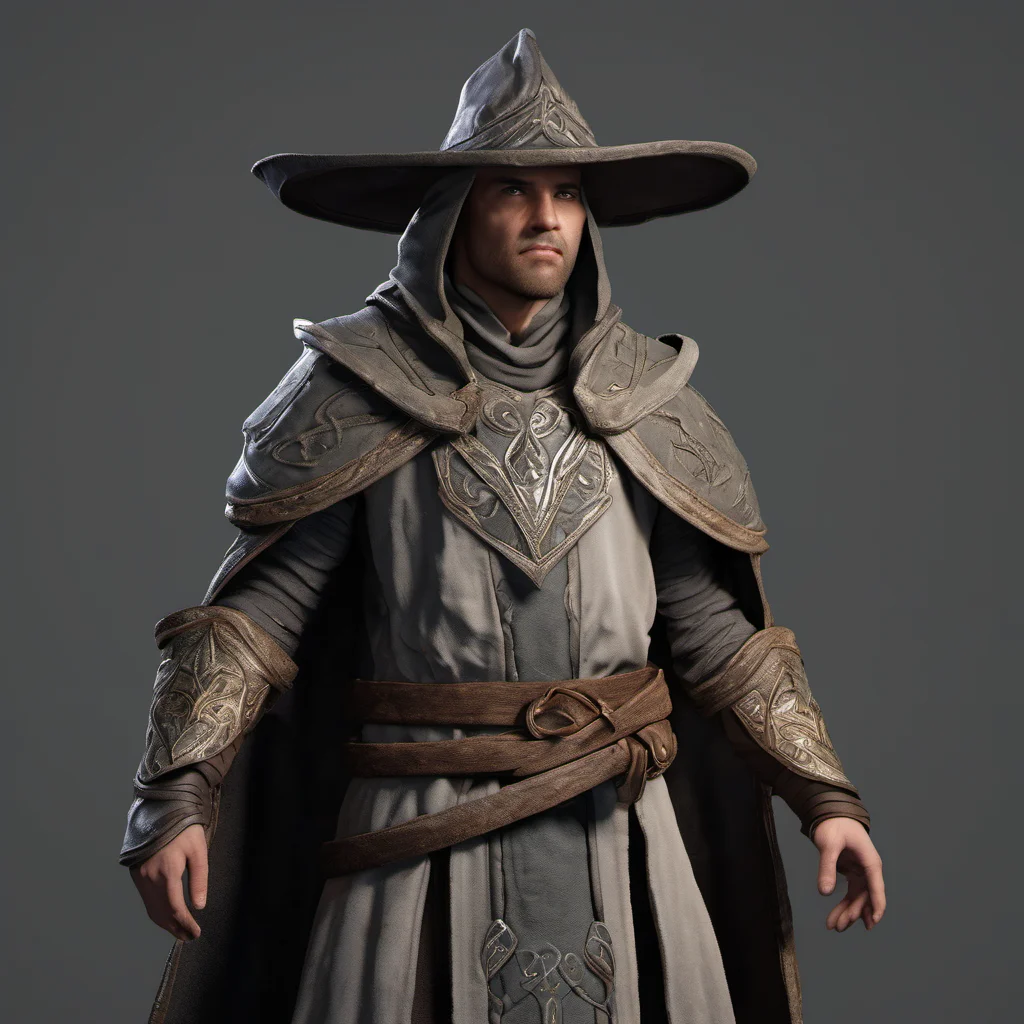
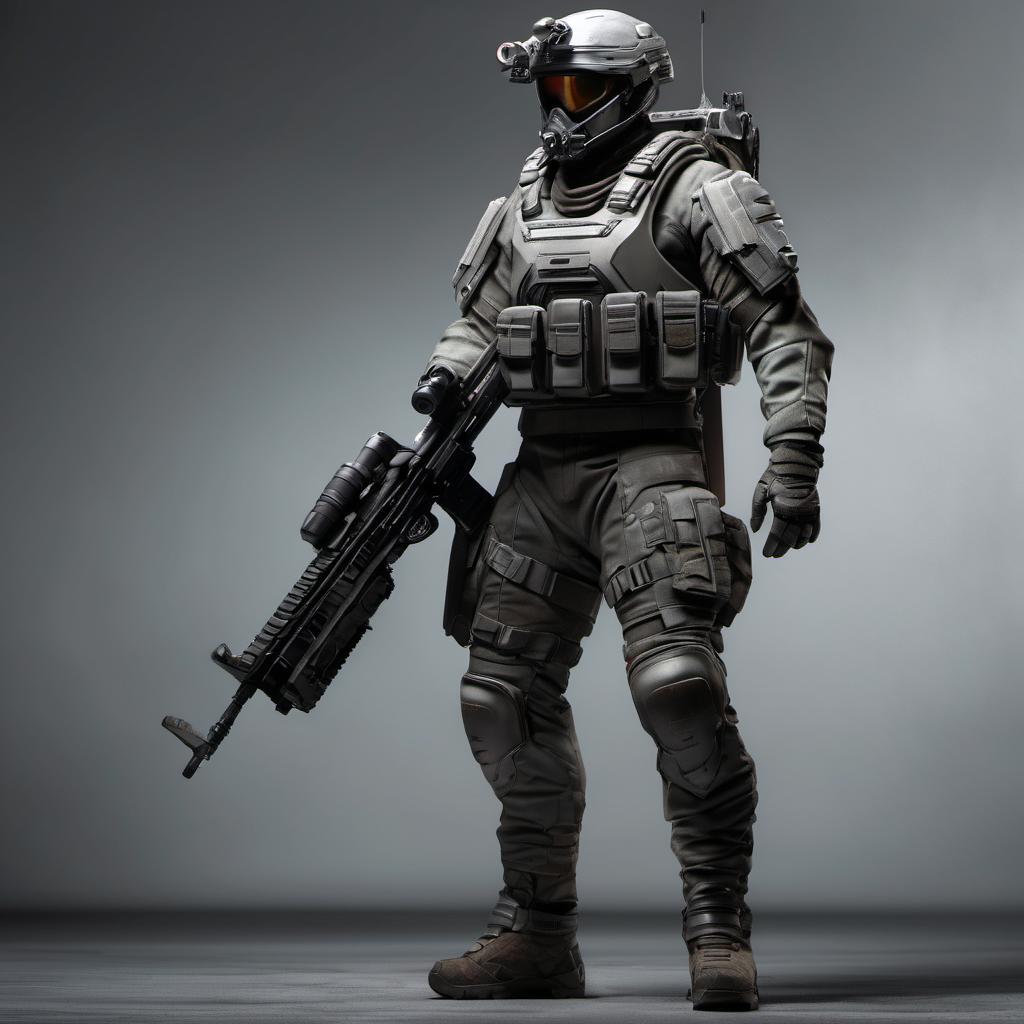
The same plate encoded once at JPEG quality 25. Blocking and ringing are bounded by that single pass, so a restorer can be scored against the PNG reference in this group rather than against an opinion Plate g-char-scifi.
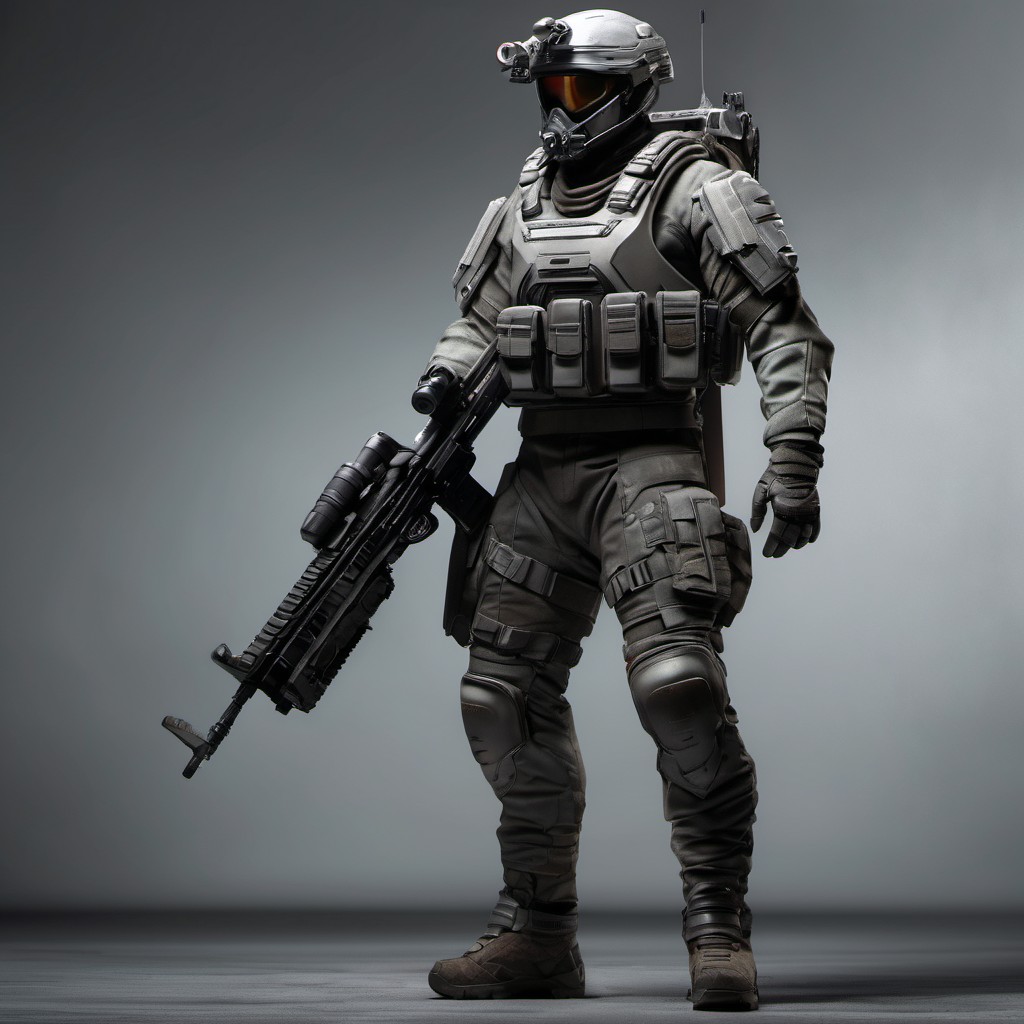
The same plate encoded once at JPEG quality 50. Blocking and ringing are bounded by that single pass, so a restorer can be scored against the PNG reference in this group rather than against an opinion Plate g-char-scifi.
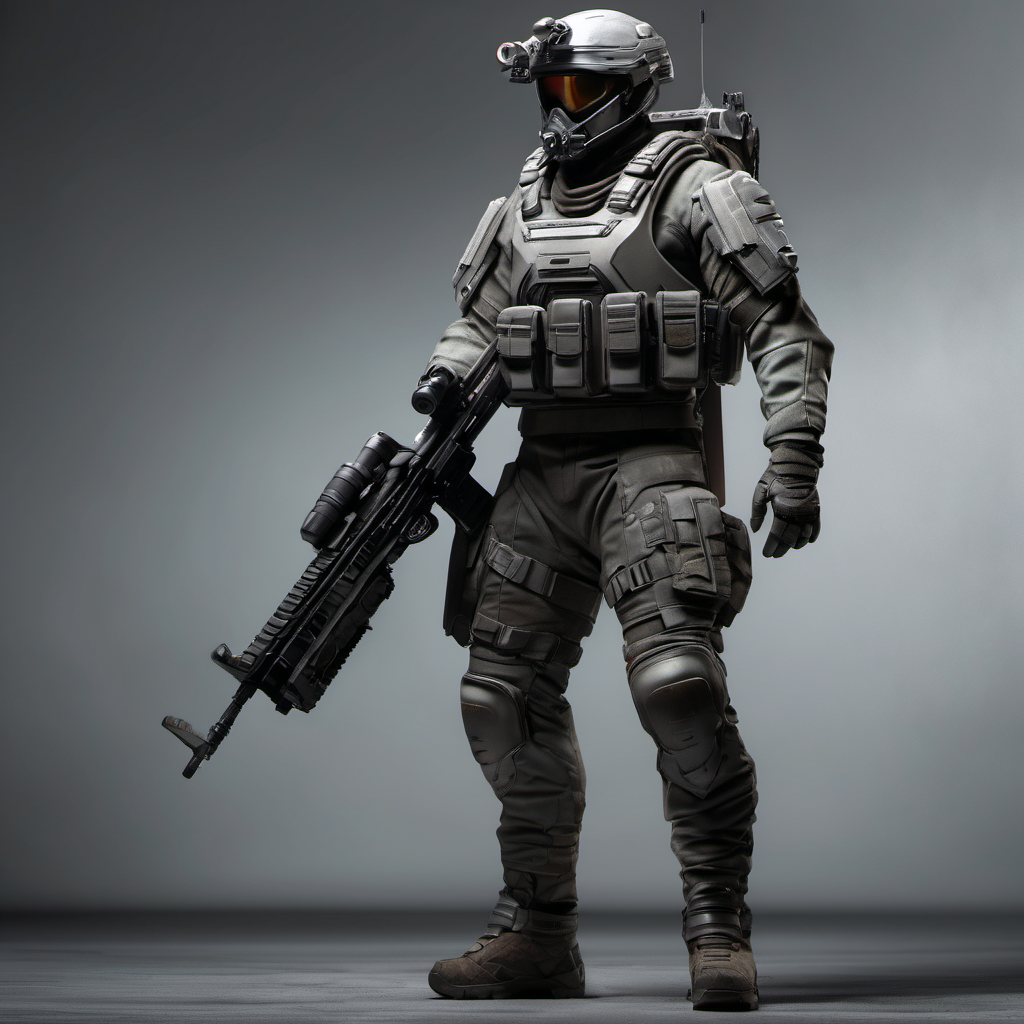
The same plate encoded once at JPEG quality 75. Blocking and ringing are bounded by that single pass, so a restorer can be scored against the PNG reference in this group rather than against an opinion Plate g-char-scifi.
The same plate encoded once at JPEG quality 90. Blocking and ringing are bounded by that single pass, so a restorer can be scored against the PNG reference in this group rather than against an opinion Plate g-char-scifi.
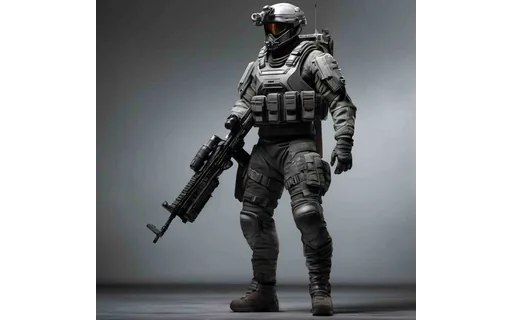
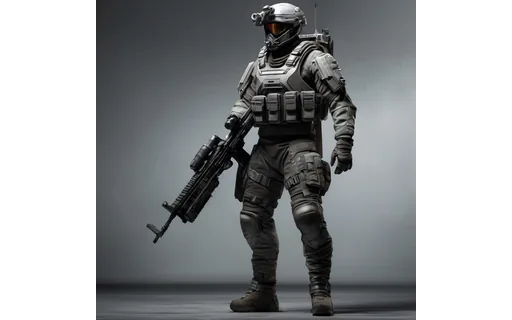
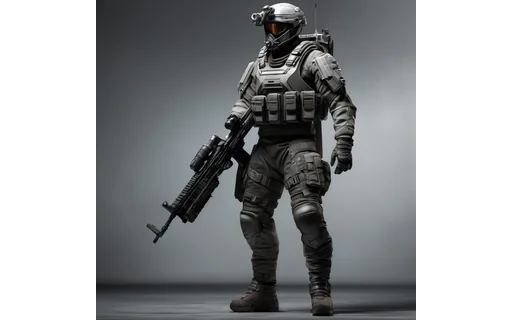
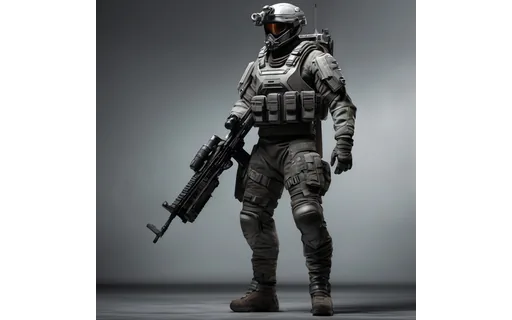
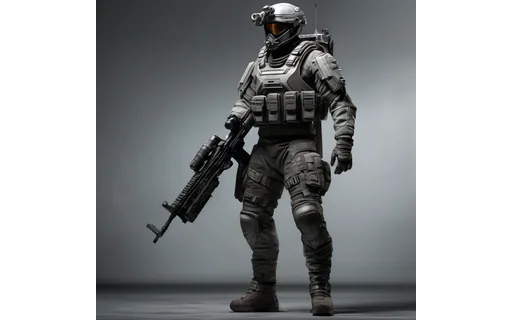
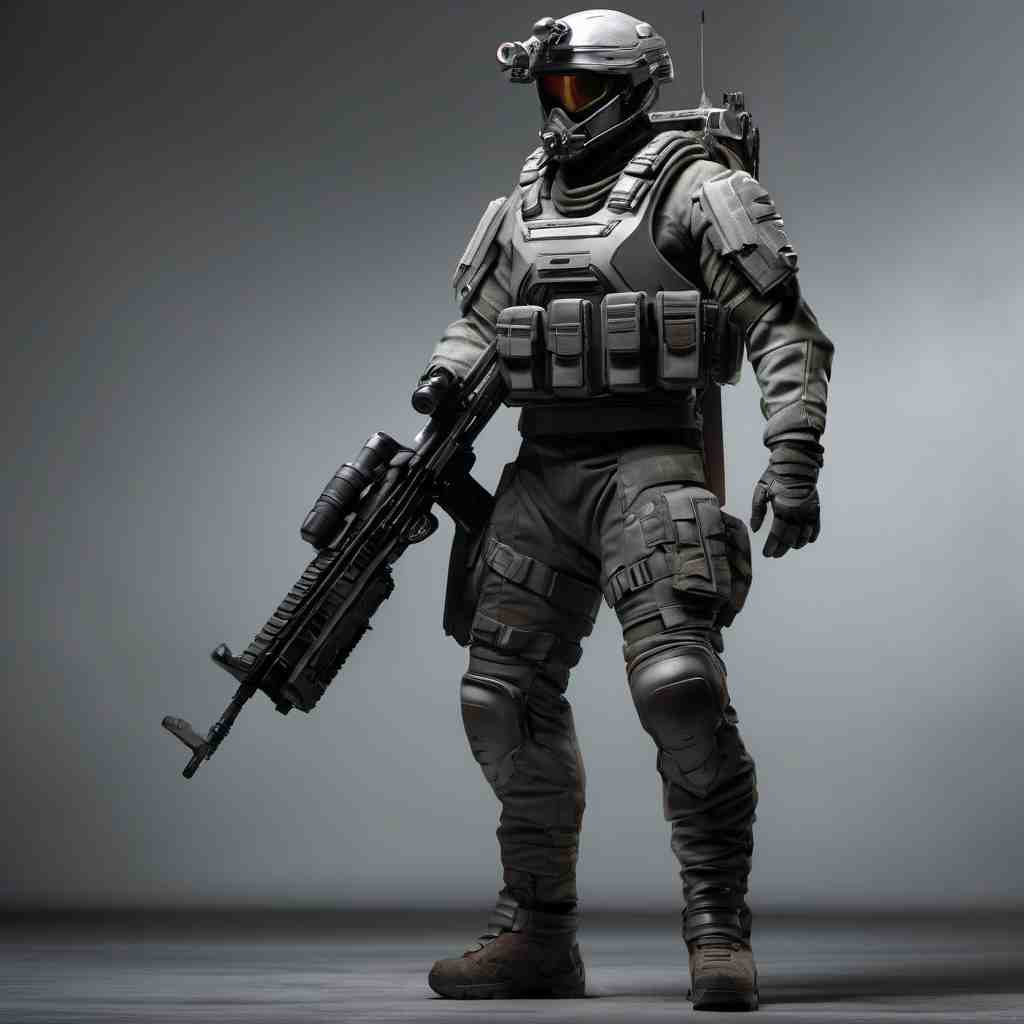
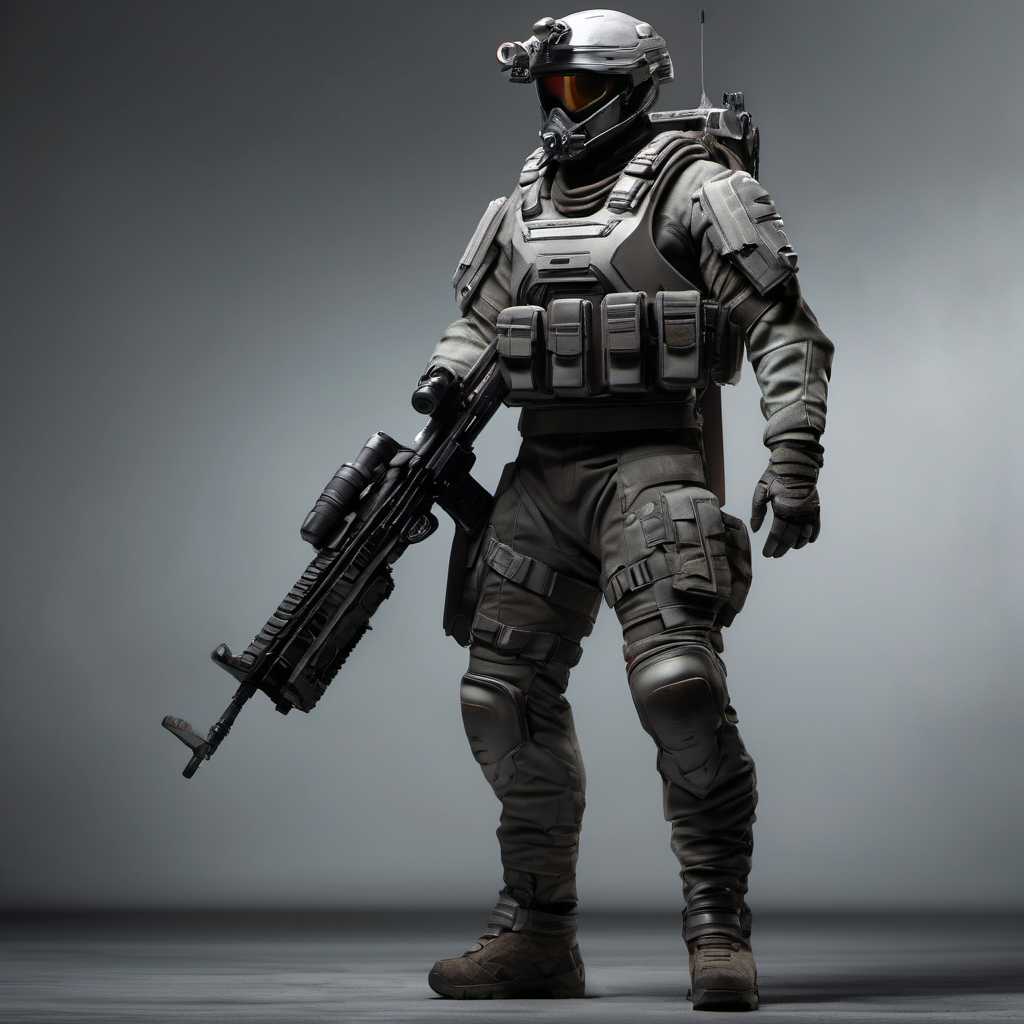
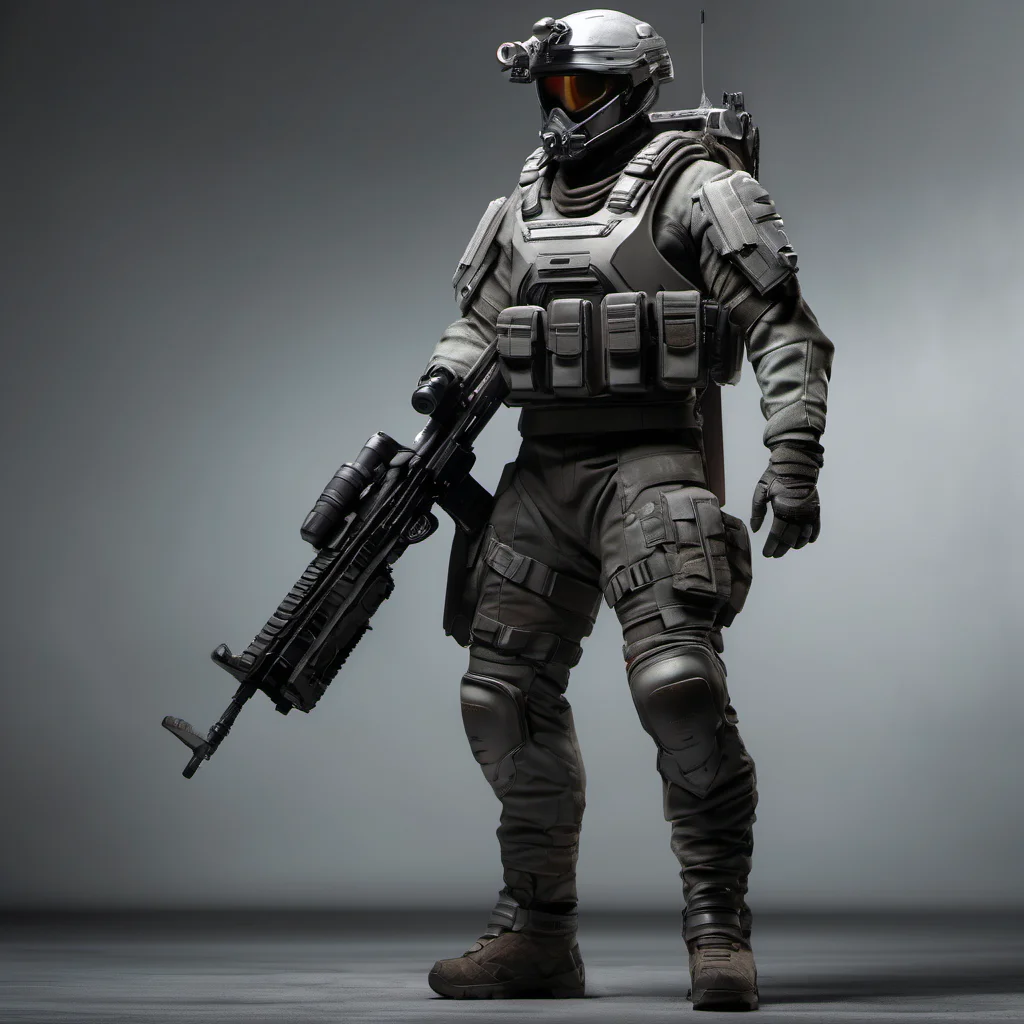
A synthetic photographic plate of a stylised rendered game scene or character, 1024x1024, lossless PNG. This is the reference every lossy variant in this group is derived from Plate g-char-scifi.
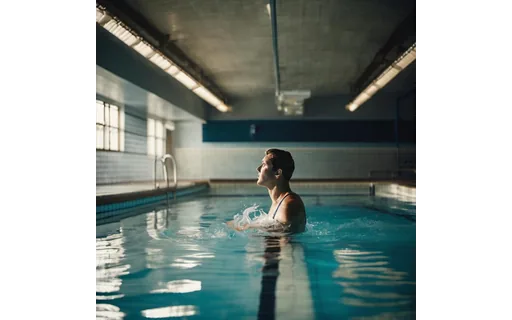
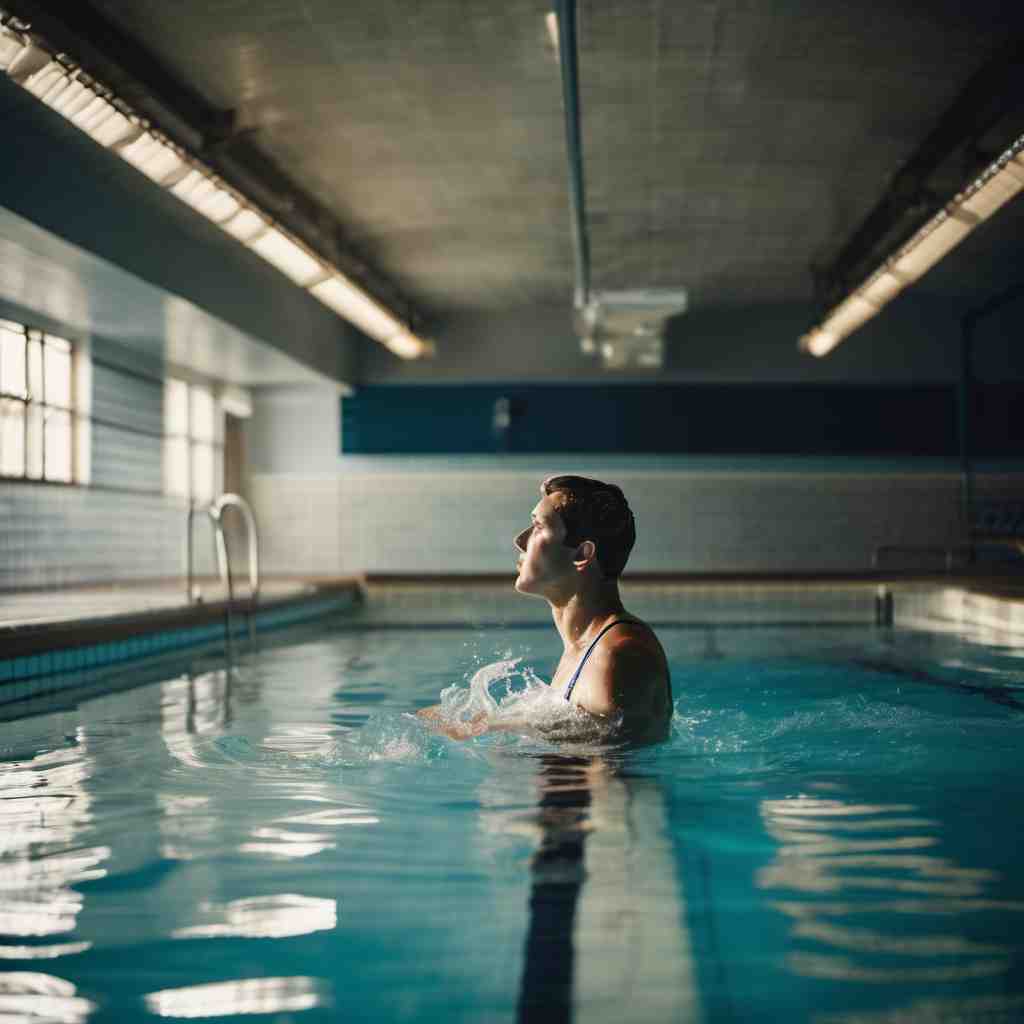
The same plate encoded once at JPEG quality 25. Blocking and ringing are bounded by that single pass, so a restorer can be scored against the PNG reference in this group rather than against an opinion Plate sp-swimmer.
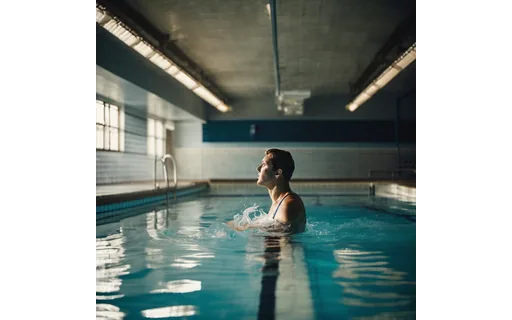
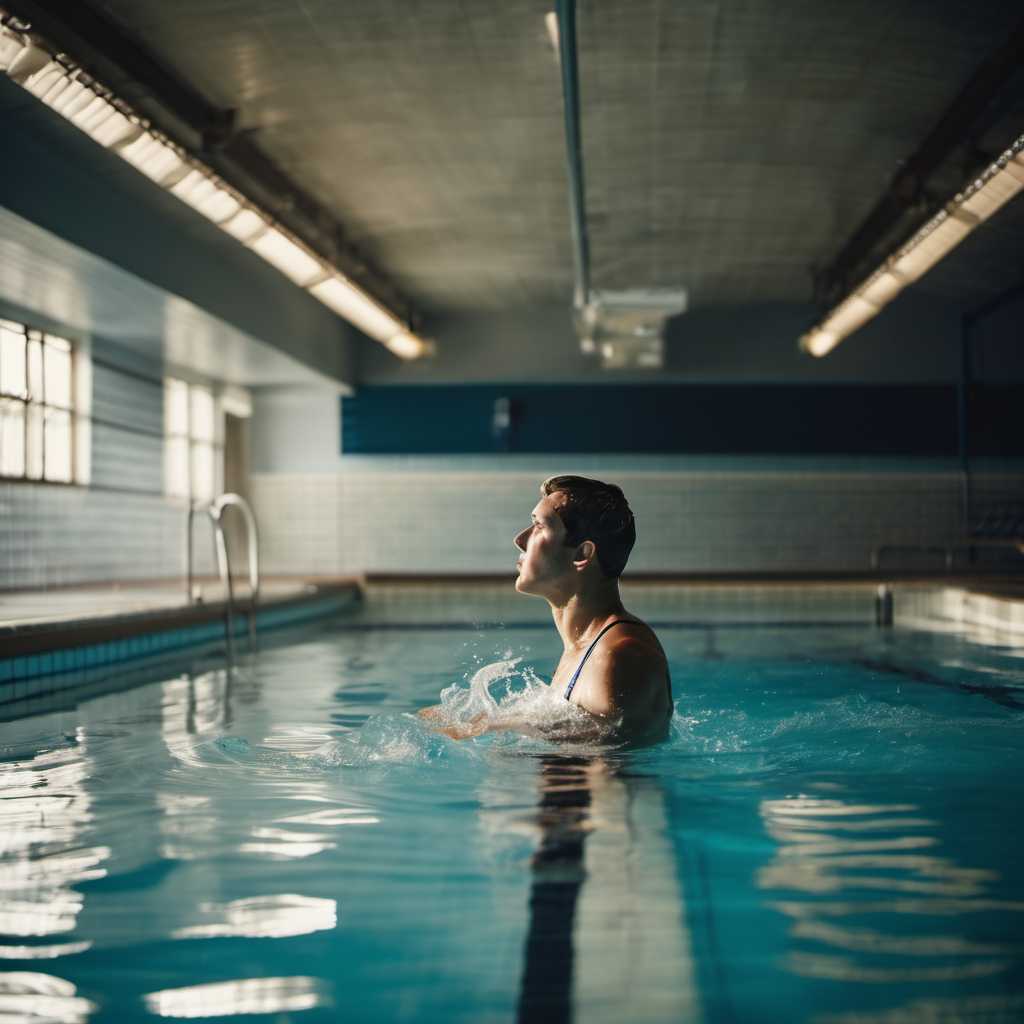
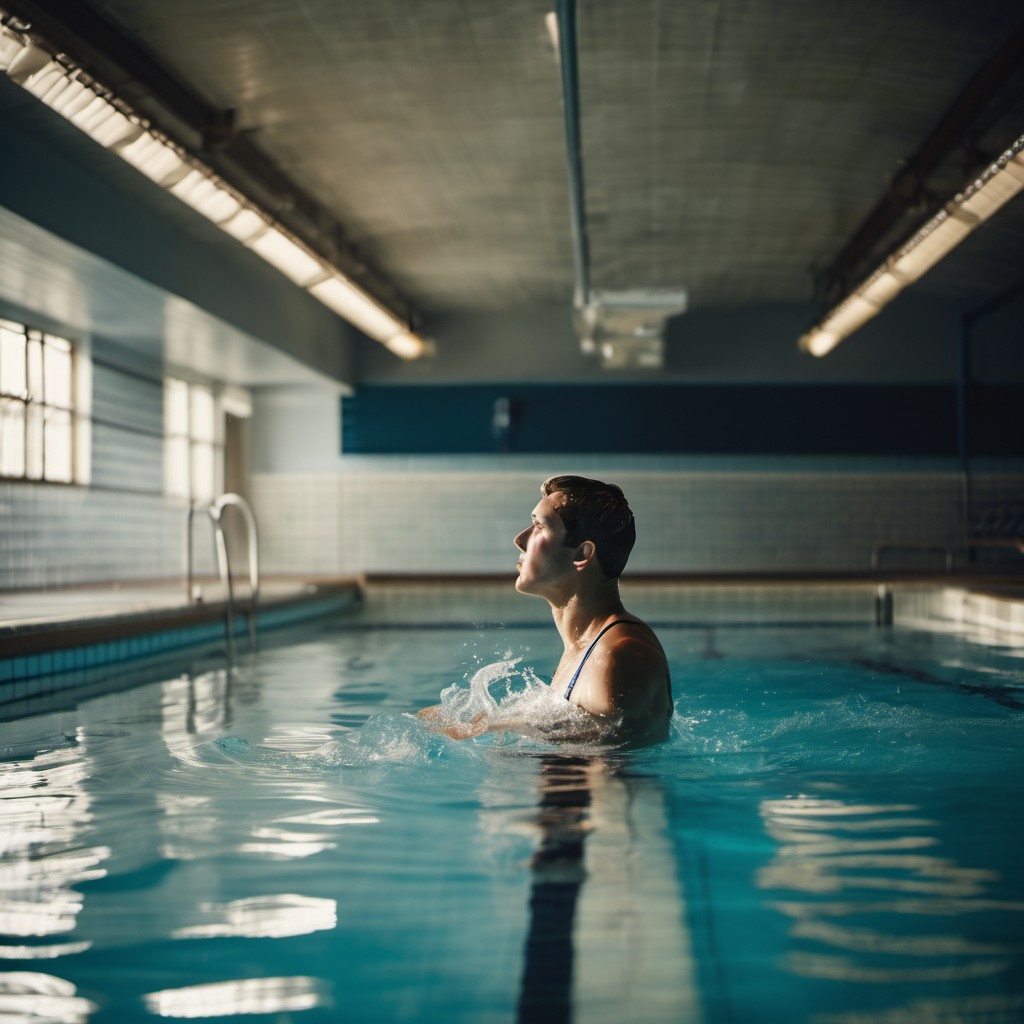
The same plate encoded once at JPEG quality 50. Blocking and ringing are bounded by that single pass, so a restorer can be scored against the PNG reference in this group rather than against an opinion Plate sp-swimmer.
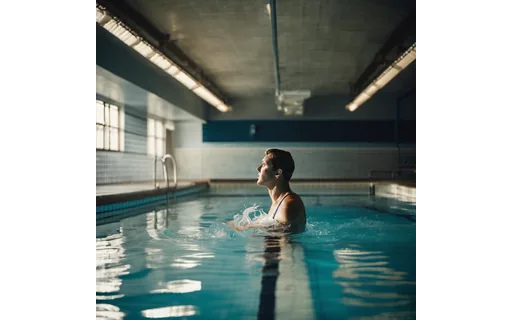
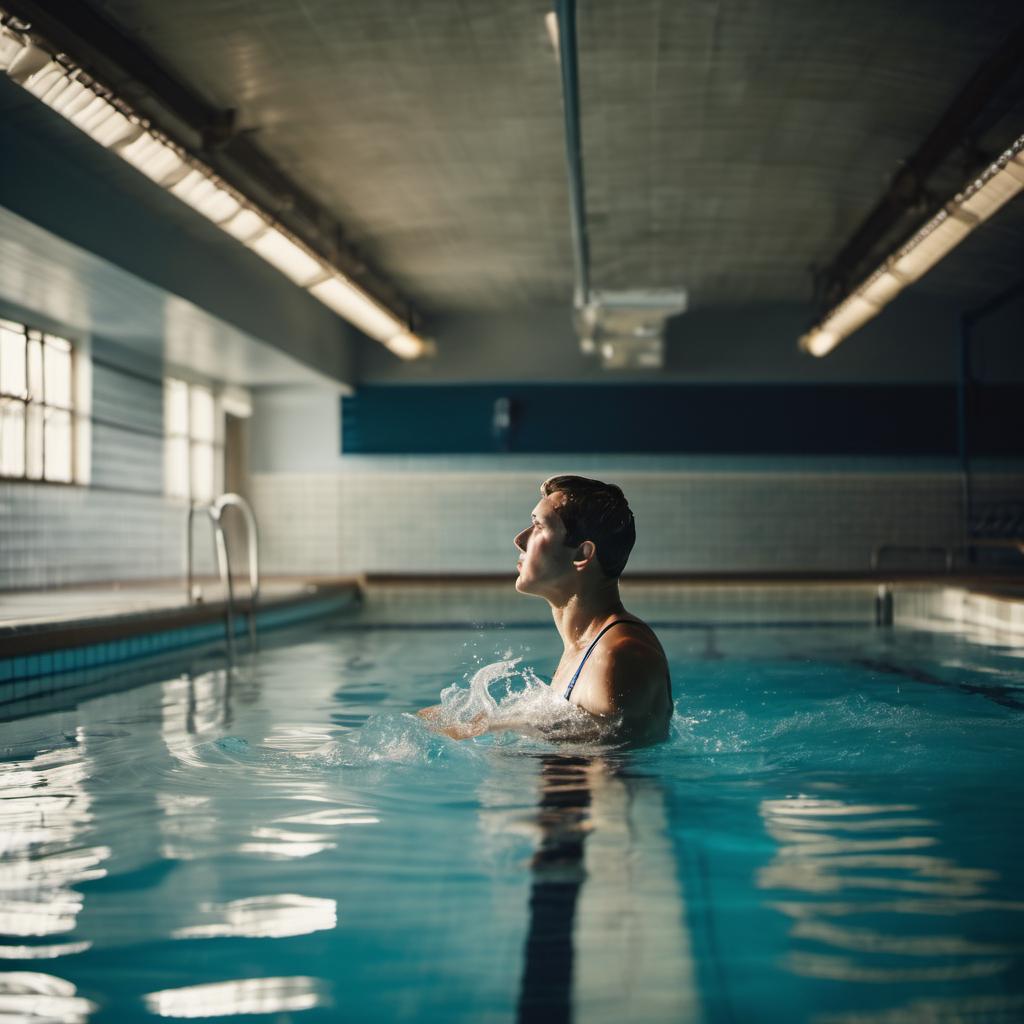
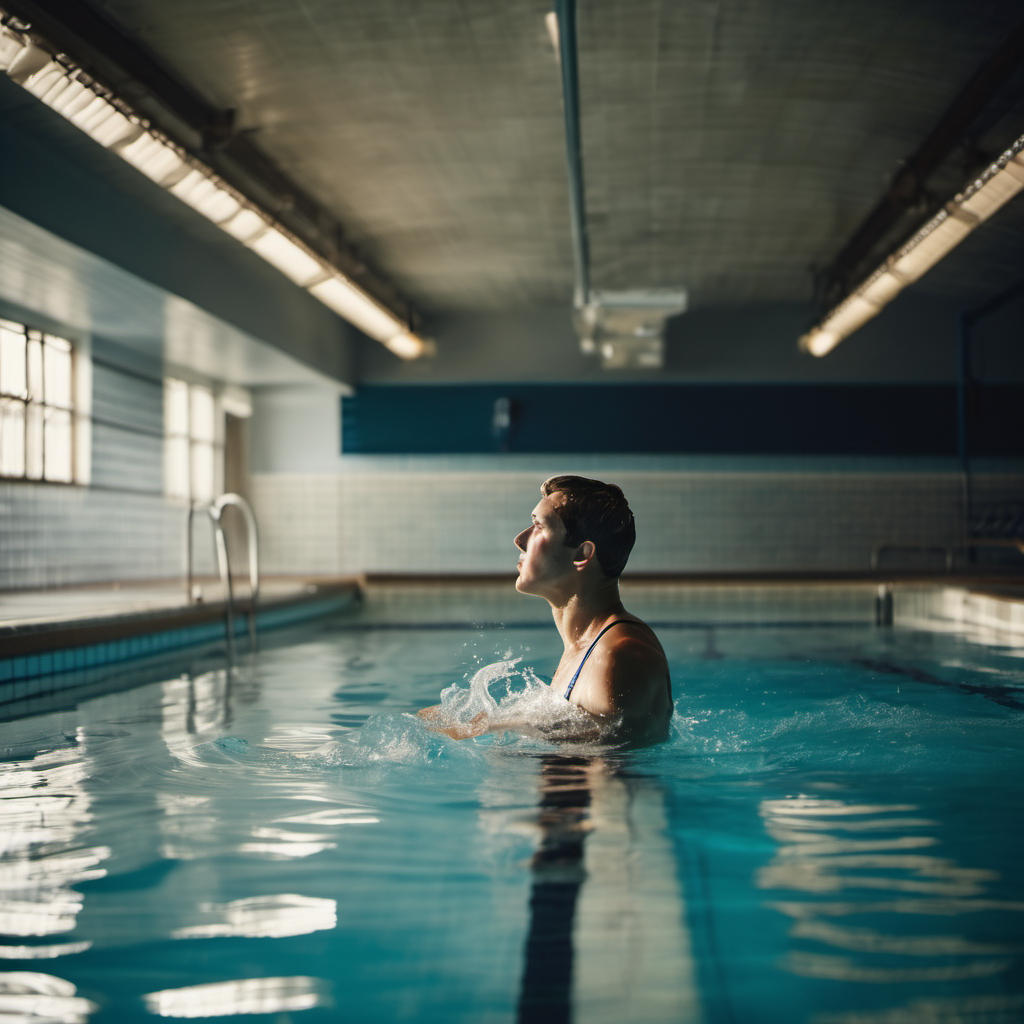
The same plate encoded once at JPEG quality 75. Blocking and ringing are bounded by that single pass, so a restorer can be scored against the PNG reference in this group rather than against an opinion Plate sp-swimmer.
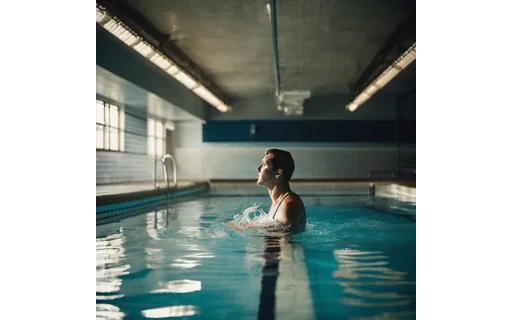
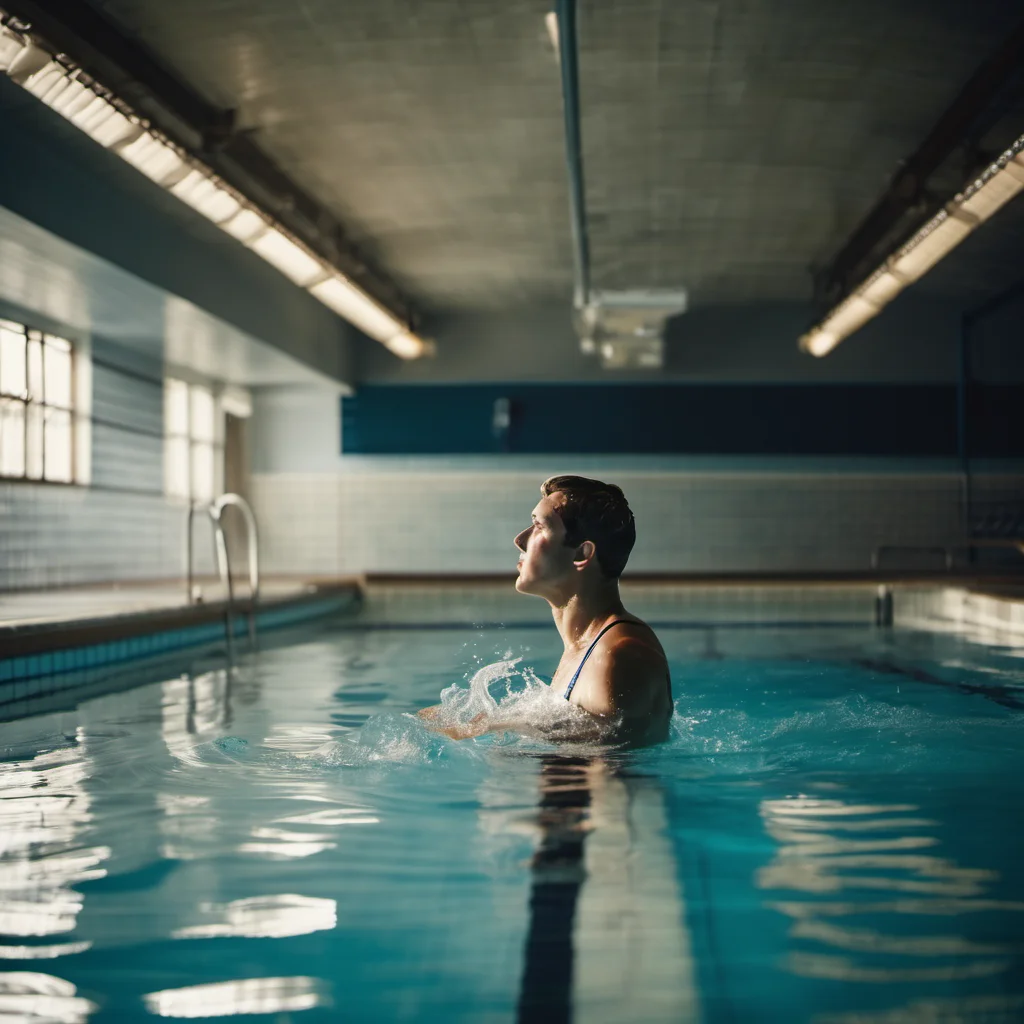
The same plate encoded once at JPEG quality 90. Blocking and ringing are bounded by that single pass, so a restorer can be scored against the PNG reference in this group rather than against an opinion Plate sp-swimmer.
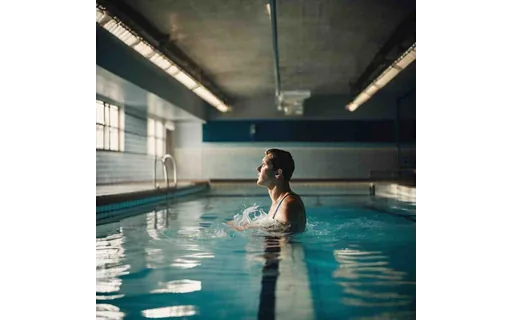
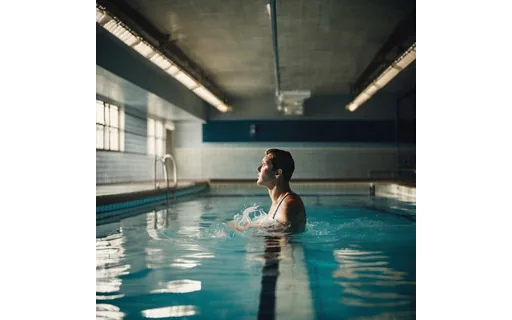
A synthetic photographic plate of a sporting activity, 1024x1024, lossless PNG. This is the reference every lossy variant in this group is derived from Plate sp-swimmer.
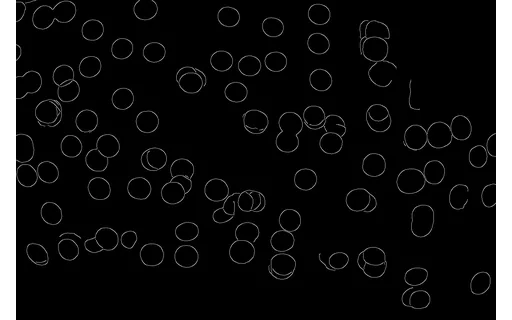
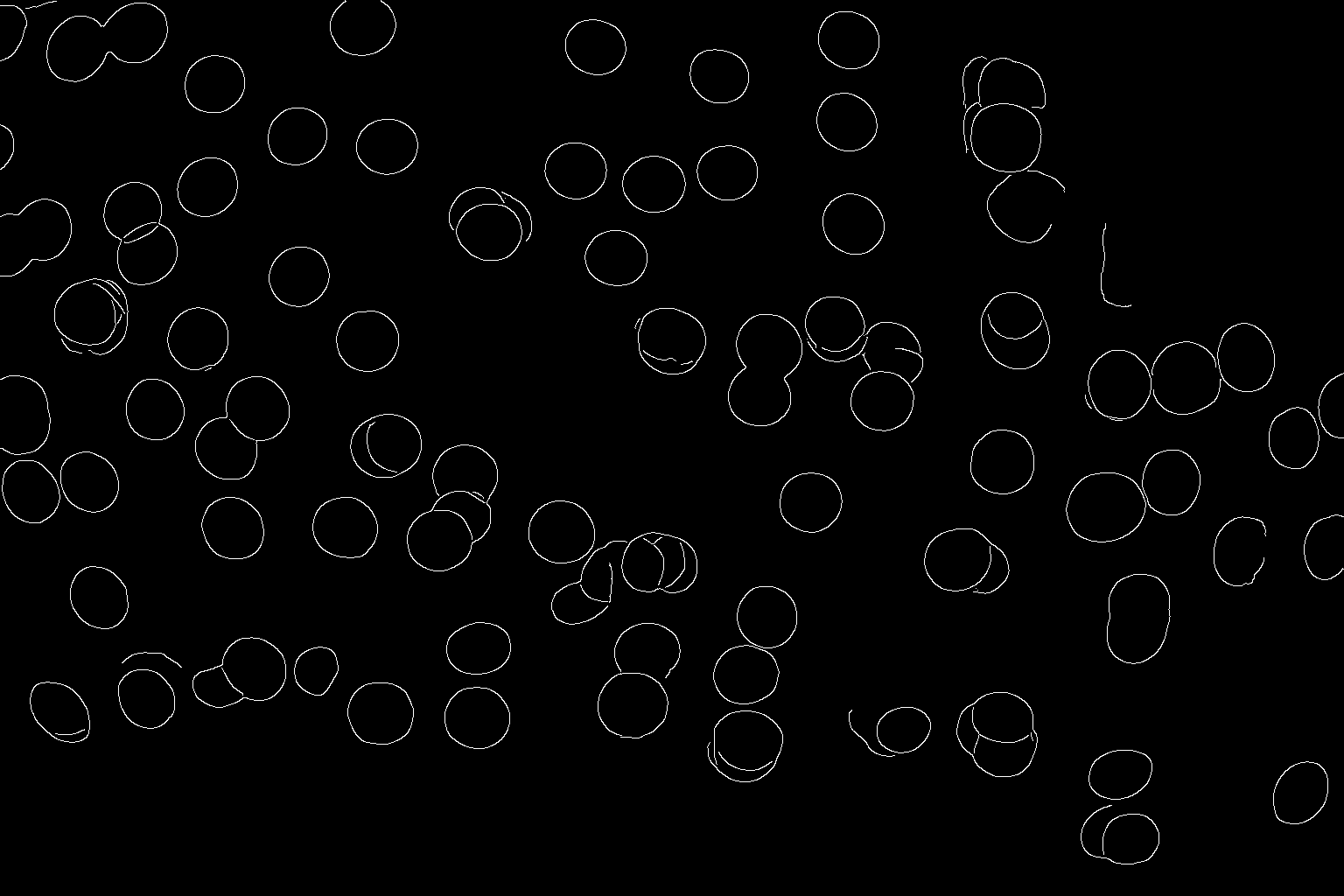
A canny edge map for the published plate t-bokeh-warm.png, 1536x1024. Canny edge detection at low threshold 0.1 and high 0.3, run at the plate's own resolution so the edges land on the same pixels as the photograph they came from. Lit coverage measures 1.4% of the frame. The plate and this map are the same scene at the same size, so they can be compared pixel for pixel rather than by eye.
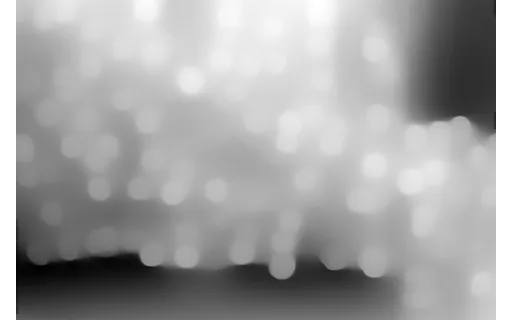
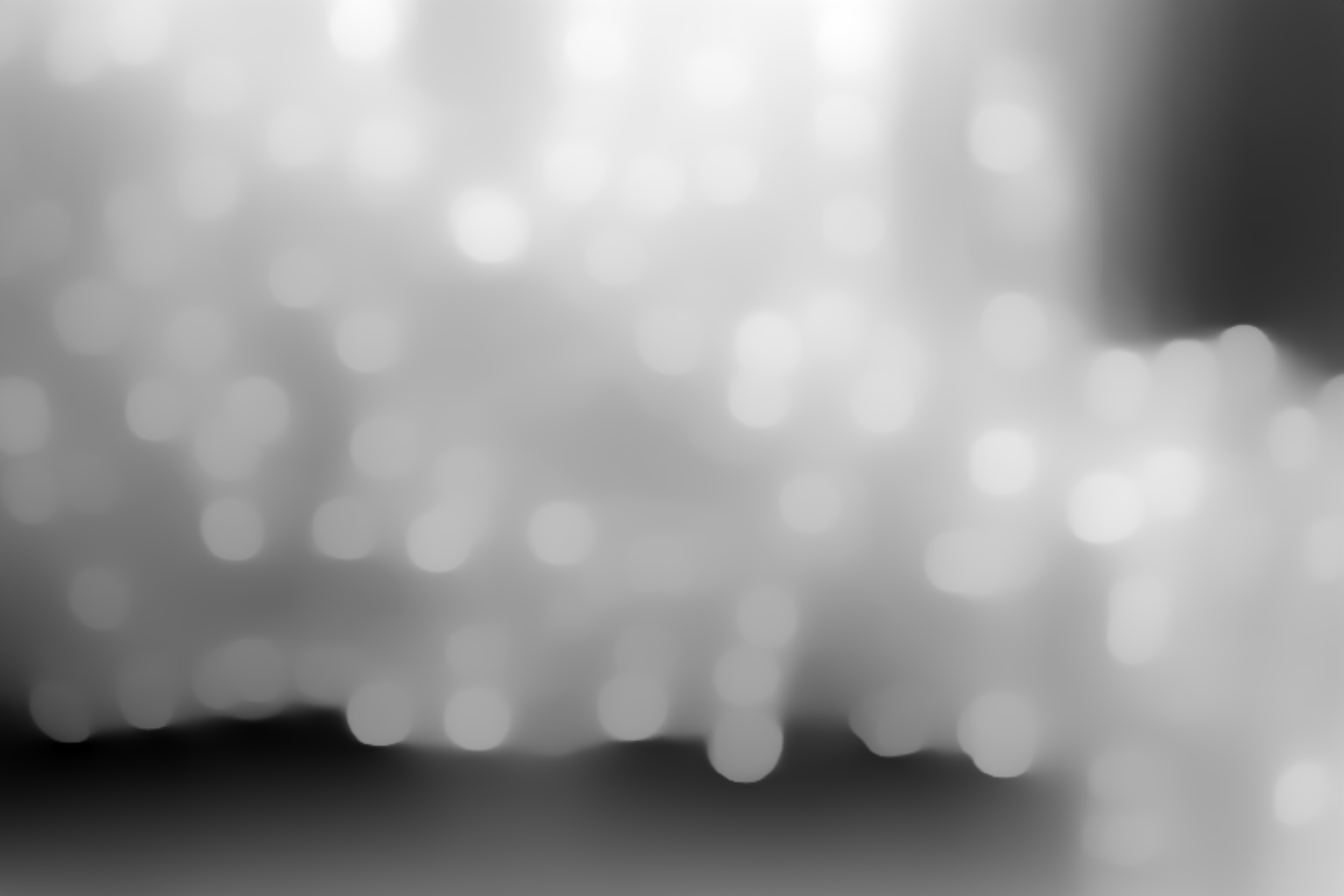
A depth map for the published plate t-bokeh-warm.png, 1536x1024. Monocular depth from Depth Anything V2 (vitl), rendered at the plate's long edge rather than the 512-pixel default, so depth and colour can be compared per pixel without a resample in between. Lit coverage measures 99.5% of the frame. The plate and this map are the same scene at the same size, so they can be compared pixel for pixel rather than by eye.
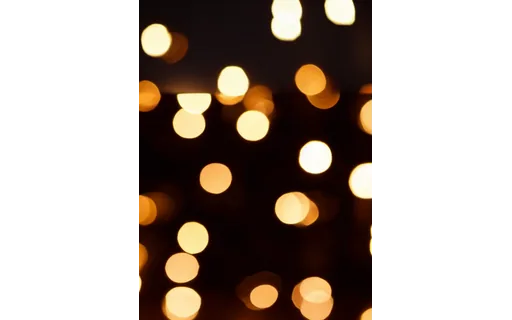
The same view of abstract warm bokeh lights out of focus, dark background, expanded to 512x704 - 192 pixels added above alone, so every row index shifts - so 27.3% of this frame is invented canvas. The original sits at pixels 0,192 to 512,704. Compare it INSET by 40 pixels: over that core it differs from the original by only 3.972/255, the VAE round trip, but over the whole rectangle by 5.543/255, because the pad deliberately feathers the original's outer edge into the new area. A test that expects the whole rectangle untouched fails on a correct tool.
A 512x512 view of abstract warm bokeh lights out of focus, dark background - the frame an outpainting tool is given, cropped from the published plate nss-t-bokeh-warm_00001_.png. Its companion expands it to 512x704 with 192 pixels added above alone, so every row index shifts, and the boundary record in this group states the exact rectangle this image occupies inside that frame - so where it ended up can be checked rather than eyeballed.
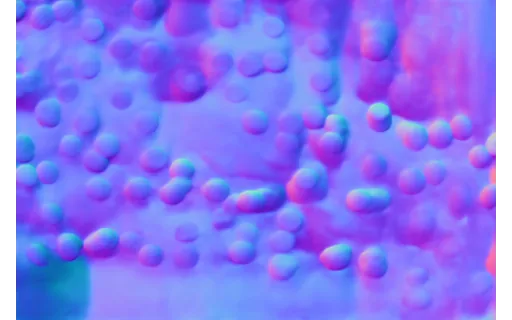
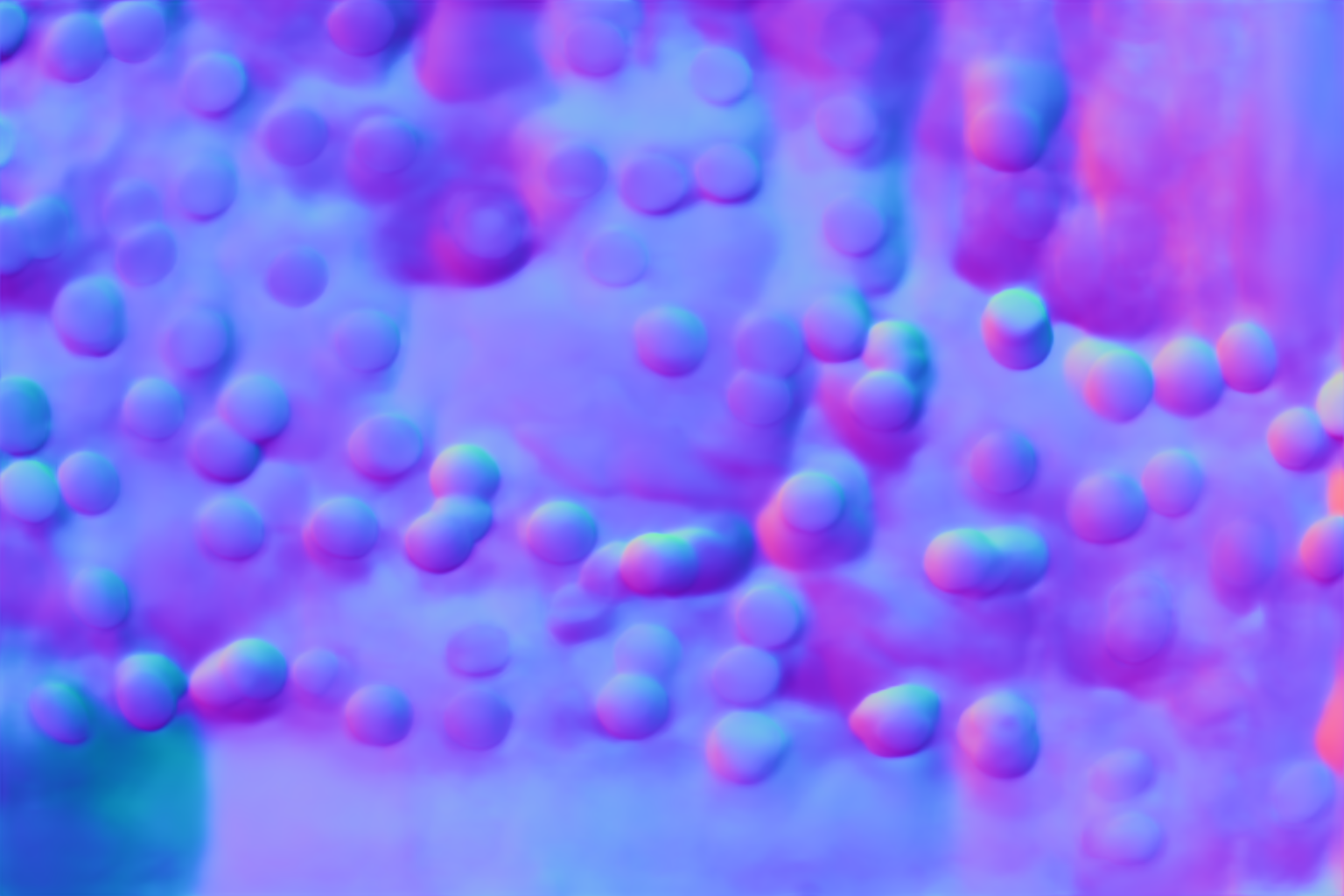
A tangent-space surface normal map for the published plate t-bokeh-warm.png, 1536x1024 - the same size as the plate, so the two compare pixel for pixel with no resample in between. RGB encodes the XYZ surface direction remapped from -1..1 into 0..255. Decoded back to vectors this file measures a mean length of 0.9967, which is the number to check your own decode against: a reader that transposes the channels or inverts the remap still produces a plausible-looking image, and lights the surface the wrong way.
A canny edge map for the published plate t-grad-cool.png, 1536x1024. Canny edge detection at low threshold 0.1 and high 0.3, run at the plate's own resolution so the edges land on the same pixels as the photograph they came from. Lit coverage measures 0.0% of the frame. This plate is a smooth gradient with essentially no edges, so the map is almost empty. That is the correct answer, and it ships deliberately as the degenerate case: what an edge detector returns when there is nothing to find. The plate and this map are the same scene at the same size, so they can be compared pixel for pixel rather than by eye.
A clean 512x512 crop of smooth abstract gradient, deep teal to midnight blue, subtle noise, taken from the published plate t-grad-cool.png before anything was added to it. This is the ANSWER KEY for its group: the object in the source file was composited onto this image, so this is exactly what was behind it. Nothing else in the group came from a second tool's guess.
A depth map for the published plate t-grad-cool.png, 1536x1024. Monocular depth from Depth Anything V2 (vitl), rendered at the plate's long edge rather than the 512-pixel default, so depth and colour can be compared per pixel without a resample in between. Lit coverage measures 99.7% of the frame. The plate and this map are the same scene at the same size, so they can be compared pixel for pixel rather than by eye.
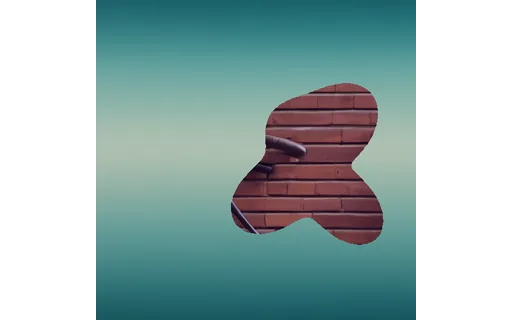
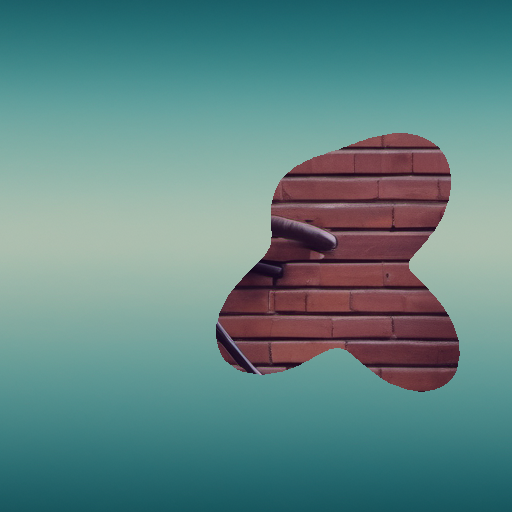
The same view of smooth abstract gradient, deep teal to midnight blue, subtle noise, with a foreign object composited over 16.26% of the frame as a single organic region, neither a rectangle nor an ellipse. This is the file an object-removal tool is given. Outside the mask it is byte-identical to the clean plate beside it, so any difference a tool leaves there is damage it did rather than content it was handed.
Smooth abstract gradient, deep teal to midnight blue, subtle noise, with the object taken back out by Stable Diffusion 1.5 inpainting and the gap reconstructed from the surrounding context alone - the masked latents are erased before sampling, so the model never saw what it was painting over. Inside the mask it differs from the source by 80.562/255 and from the ground-truth plate by 6.576/255; the second number is NOT expected to be small, because an inpainter invents plausible content rather than recovering what was there. Beyond a 16-pixel ring around the mask the frame changes by only 2.895/255, which is the full-frame VAE round trip and not an edit.